
Mining Equipment Hydraulics: Handling Extreme Conditions in Georgia and Tennessee Operations
- C&L Cylinder and Machine

- Apr 6
- 4 min read
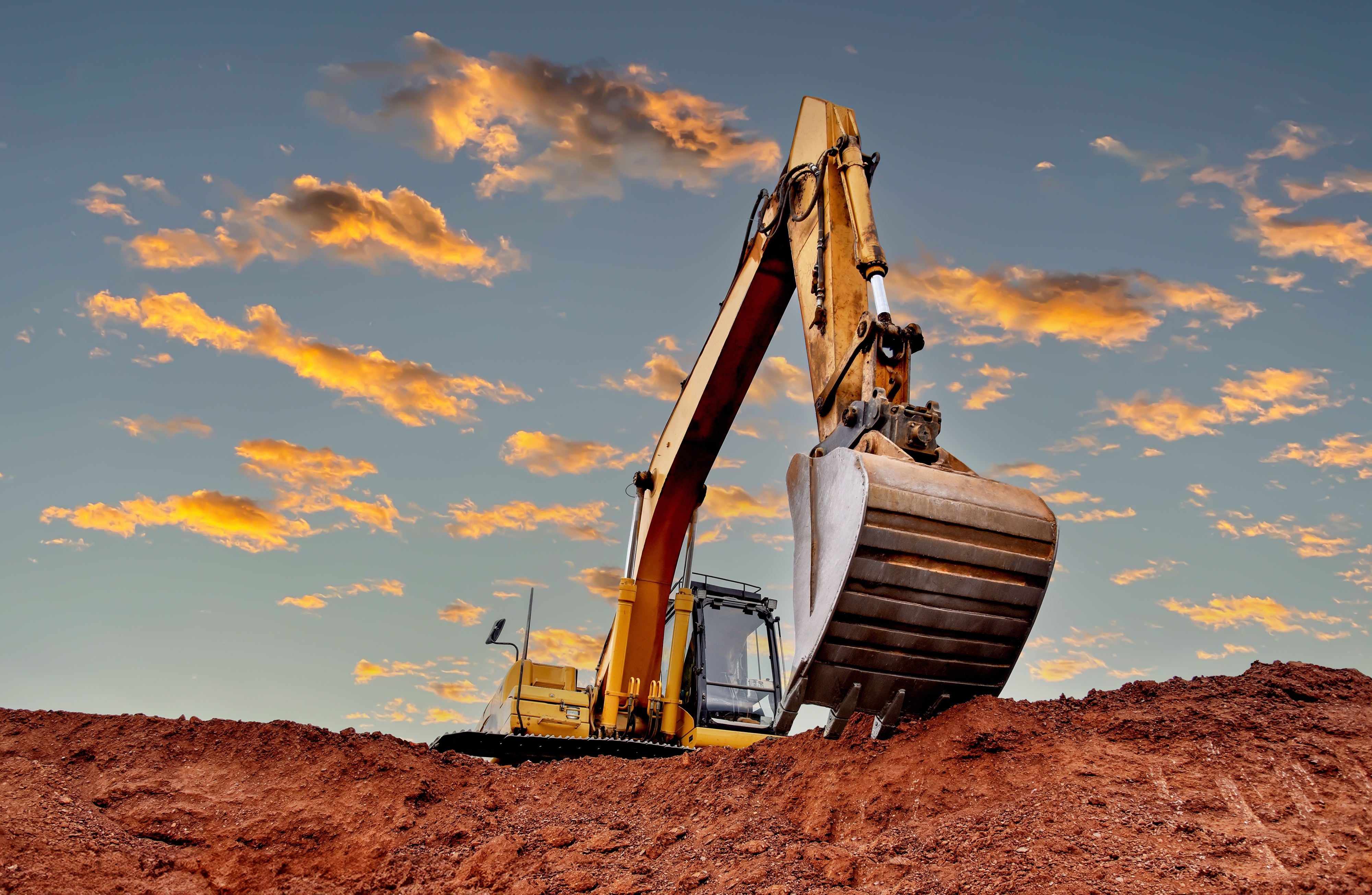
Hydraulic systems keep production moving in quarries and surface mining sites, but they also take the first hit when conditions turn harsh. In Georgia and Tennessee, operators deal with abrasive dust, sticky clay, heavy rain, and frequent temperature swings across seasons. Those factors combine with impact events and high duty cycles, creating a tough environment for mining equipment that relies on cylinders for lifting, steering, dumping, clamping, and positioning.
The goal is not to eliminate wear. The goal is to control it. A practical maintenance approach protects cylinder surfaces, keeps contaminants out of the oil, and creates clear triggers for when a component should be pulled from service. This guide focuses on the real-world conditions common in the region and the maintenance habits that deliver measurable uptime improvements.
Why Extreme Conditions Hit Hydraulics First
Hydraulics sit at the intersection of force and motion. That makes them sensitive to contamination and heat, two issues that rise quickly in mining environments. Dust collects on exposed rods and around glands. Combined with moisture, a muddy paste forms that holds abrasive material against sealing surfaces. When that mixture enters the gland, seals wear faster and rod scoring becomes more likely.
Impact loading also concentrates stress in cylinders and mounts. Sudden bucket strikes, uneven terrain, and hard end-of-stroke events transmit force into pins, bushings, and brackets. Even small alignment changes increase side-loading, which accelerates wear and can lead to leakage or bent rods.
Temperature changes affect oil viscosity. Thicker oil in cold temperatures affect responsiveness, while hot operating conditions reduce fluid viscosity.
Mining Equipment Hydraulics Under Dust, Mud, and Temperature Swings
Georgia and Tennessee sites often experience alternating dry and wet periods. Dry stretches create airborne dust that coats rods and breathers. Wet weeks create slurry that clings to components and carries grit into tight spaces. Both conditions challenge wipers and seals.
Dust exposure is not only external. It can enter the hydraulic circuit through breathers, service ports, and poor housekeeping around fill points. Once contamination circulates in mining equipment, it affects valves and pumps, increasing heat and creating inconsistent motion. Mud exposure can also accelerate corrosion. If moisture stays on the rod, pits can form and those pits can cut seals quickly.
Temperature swings influence how the system behaves. Cold start conditions can increase pressure spikes if the oil is thick and the operator demands immediate full-force movement. Warm running conditions can increase leakage and reduce lubrication if the system runs hotter than its typical range. A maintenance program should account for seasonal shifts, not just calendar intervals.
A practical regional approach includes operating habits and checks that match these realities.
Warm up hydraulics at low load during cold starts before full-force cycles
Keep rod surfaces clean so dust and slurry do not ride into the gland
Inspect breathers and replace them when clogged or saturated
Monitor operating temperature trends and investigate sudden changes
Confirm service practices keep fill points and containers clean
These steps are simple, but they reduce the most common sources of accelerated wear.
Preventing Cylinder Damage From Impact, Side Loading, and Contamination
Many cylinder failures blamed on “bad seals” are actually driven by mechanical loading or contamination. Impact and side-loading create uneven wear patterns that seals cannot overcome. Contamination then speeds degradation and spreads the problem through the circuit.
Side-loading often comes from worn pins and bushings, bracket deformation, or misalignment caused by repeated shock events. Even a small amount of play can change the rod’s travel path and increase friction at the gland. If that wear continues, the rod surface may score and seal life drops rapidly.
Contamination control is the other major lever. Wipers and seals are not designed to act as grinders. If dust and grit are constantly present, wipers wear and the gland becomes a pathway for debris. Cleanliness routines and filtration practices protect the cylinder and the entire hydraulic system.
Preventive actions should target the highest-risk points.
Inspect pins, bushings, and mounts for play before misalignment grows
Check hose routing and clamps so hoses do not strain ports or twist
Clean around glands so leakage is visible and debris does not accumulate
Use filter indicators or condition checks to guide service timing
Address small leaks early to prevent dirt ingress and oil loss
These habits help extend component life and reduce collateral damage to the hydraulic circuit.
Field-Proven Inspection Triggers and Maintenance Cadence
A maintenance plan must be executable. Layered routines work best: quick checks daily, focused reviews weekly, and deeper assessment on a periodic basis tied to duty cycle and environment.
Daily checks can be completed during walkarounds. Focus on fresh leakage, rod surface condition, unusual noise, and obvious mount movement. Weekly reviews should include cleaning, hose inspection, fitting tightness checks, and mount evaluation. Periodic checks should validate drift under load, cycle behavior, and operating temperature trends.
The most important part is escalation criteria. When teams know what triggers action, issues get addressed before they become breakdowns.
Active dripping or spray under pressure, especially near the gland or ports
Rod scoring, pitting, or damage that can be felt with a fingernail
Drift under load that affects holding, positioning, or control
Hesitation, chatter, or inconsistent speed during extension or retraction
Rising temperature combined with performance changes or new noise
When multiple triggers appear together, schedule repair rather than continuing to run. Planned downtime is typically less expensive than a failure event that disrupts production.
Keep Your Hydraulics Moving With C&L Cylinder and Machine
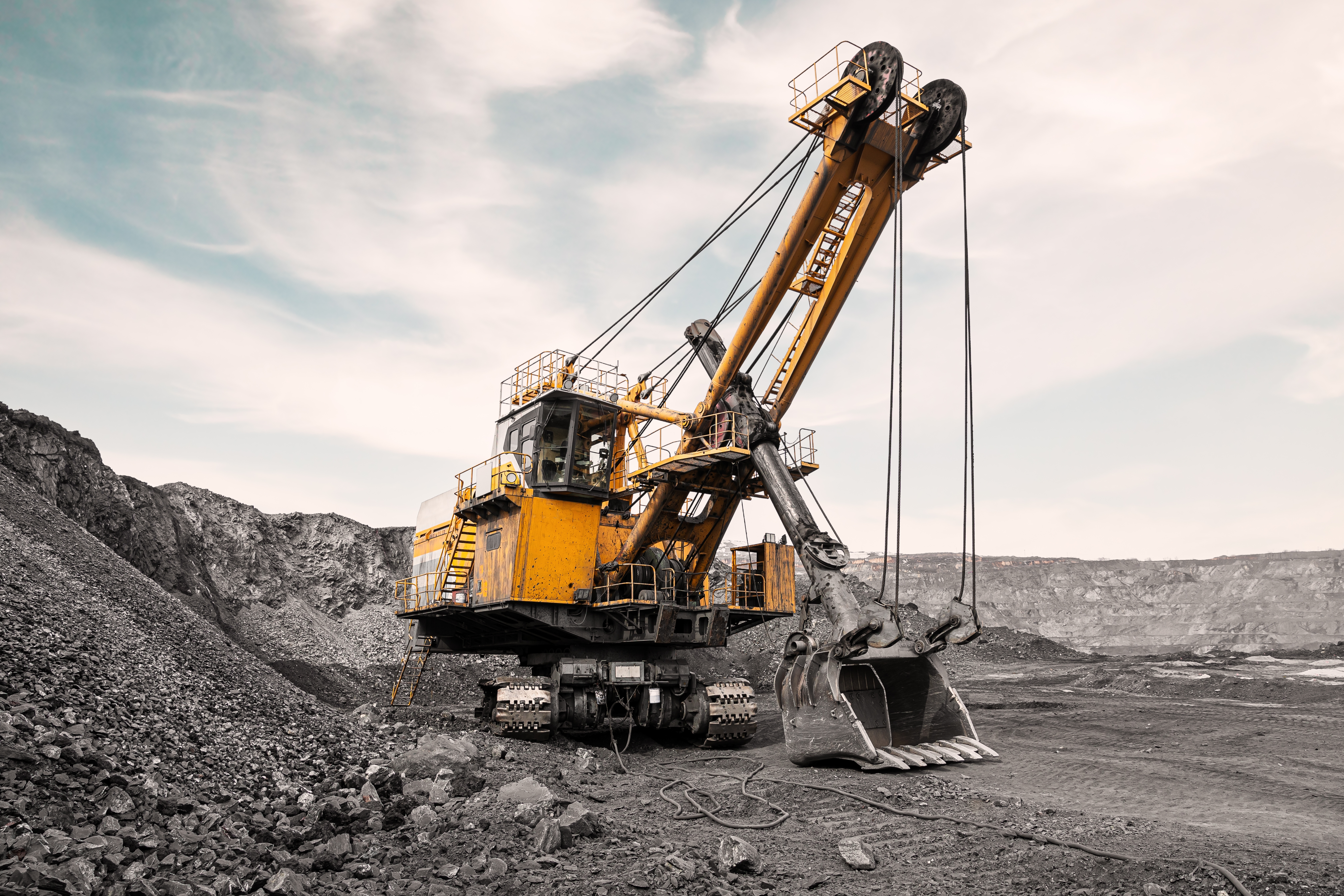
Mining and quarry operations often rely on large cylinders that are heavy, specialized, and difficult to replace quickly. For operations in Georgia and Tennessee, a repair partner within driving distance can make planning easier, especially when you need realistic turnaround options.
At C&L Cylinder and Machine, Lindale, Georgia, we specialize in comprehensive hydraulic cylinder services for mining equipment and industrial applications, including complete rebuilds, precision machining, rod repair and re-chroming, seal replacement, custom fabrication, and emergency repair support.
With extensive experience in heavy-duty cylinders, we deliver fast turnaround times, quality workmanship, and the technical expertise to minimize your downtime and restore full operational capacity. Connect with us to discuss your repair needs and maintenance solutions that keep your critical equipment running.


