
Aggregate Industry Guide: Protecting Hydraulic Cylinders in Dusty, High-Impact Environments
- C&L Cylinder and Machine

- Mar 23
- 4 min read
Aggregate operations run on relentless motion: feed, crush, convey, load, haul, repeat. That rhythm creates a harsh environment for actuators, especially when airborne grit, rock fines, and impact events are part of daily life. In these conditions, hydraulic cylinders are not only power components, but they are also wear targets. Dust can work past wipers, abrasive particles can score rods, and shock loads can create misalignment that shortens service life.
The best protection strategy is not a single product or one inspection. It is a set of practical habits that reduce contamination ingress, control side-loading, and spot early damage before it becomes a downtime event. This guide is built for maintenance managers and operations leaders who need reliability in quarries, pits, and processing sites without creating a maintenance program that is impossible to execute.
Why Aggregate Sites Punish Cylinder Components
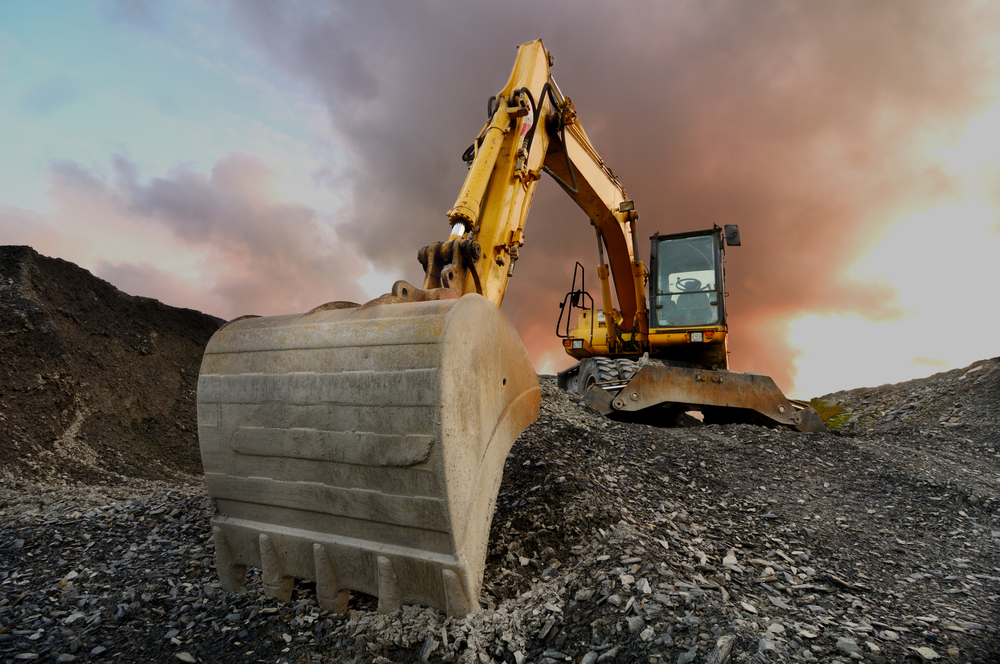
Aggregate environments combine three reliability killers: abrasive contamination, mechanical impact, and frequent duty cycles. Fine particles settle on rods and near glands. Every stroke can pull that grit toward the sealing surfaces. If wipers are worn or damaged, particles migrate past the gland, increasing seal wear and raising the risk of scoring.
Impact is another accelerator. Bucket strikes, sudden load shifts, and end-of-stroke bottoming events can transmit force into mounts and pins. That force can create small alignment changes that are hard to see but easy to feel later as uneven wear and leakage.
Temperature variation adds stress, too. Equipment may run hard in heat, then cool rapidly during stops. That cycling affects oil viscosity and the way sealing elements behave. In harsh sites, the combination of dust, impact plus heat is what turns a minor issue into a major repair.
Protecting Hydraulic Cylinders From Dust Ingress And Abrasion
Dust protection starts at the rod and gland. A rod covered in fines is a problem waiting to happen. Cleaning routines matter because they reduce the amount of abrasive material available to enter the gland on the next stroke. Cleaning should be deliberate and safe. Avoid blasting pressurized water directly at seals, since that can drive debris and moisture inward.
Wiper condition is a primary defense. A torn wiper allows contamination to ride along the rod into the gland. If you see uneven wiper wear, cracking, or material peeling, plan service before leakage becomes obvious. Rod surface quality matters as well. Small pits and scratches act like sandpaper against seals and can quickly convert light weeping into measurable leakage.
Fluid cleanliness supports dust protection from the inside. Contamination that enters through breathers, poor housekeeping, or leak points circulates through the system. That affects valves and pumps and can worsen cylinder performance through heat and internal leakage.
A practical dust defense routine includes steps that crews can apply consistently.
Wipe rod surfaces during routine walkarounds and after dusty shifts
Keep gland areas clean so new leakage is easy to spot quickly
Inspect wipers for tears, hardening, or uneven wear
Verify breathers are intact and not clogged with fines
Use filter indicator status to guide changes, not only calendar time
These actions reduce abrasion exposure and help preserve sealing surfaces longer.
Managing Impact Loads, Misalignment, And Side Loading
Dust is only half the story in aggregate sites. Mechanical events can shorten life just as quickly. Hydraulic cylinders rarely fail from pressure alone. They fail when side loads and alignment errors force the rod against surfaces it was not designed to ride against.
Side-loading often comes from worn pins, ovalized bushings, bracket deformation, or repeated shock events. It can also come from operational habits such as slamming attachments, bottoming out at the end of the stroke, or using the cylinder as a stop. Even a small alignment change can accelerate bushing wear, which increases play and further worsens alignment.
Impact management is about reducing unnecessary shock and identifying wear before it becomes structural. Train operators to avoid hard stops when possible, and encourage reporting when a machine begins hitting differently. Maintenance teams should inspect mounts, pins, and brackets with the same priority as the cylinder body.
When you find misalignment indicators, act early. Replacing a worn bushing is far less disruptive than rebuilding a cylinder with a damaged rod and compromised gland surfaces.
Inspection Routines That Catch Damage Before Downtime
Inspection routines must fit the pace of aggregate production. The most successful programs use layered checks: quick daily observations, weekly detailed reviews, and periodic performance validation.
Daily checks focus on leakage, rod condition, and abnormal motion. Weekly reviews include mount wear, hose condition, and cleaning. Periodic checks validate drift behavior, cycle consistency, and operating temperature trends. The goal is to catch early symptoms while the equipment can still run safely until a planned service window.
Use trigger criteria that help teams decide when a unit should be pulled from service. A cylinder that can be monitored is different from one that is actively damaging itself or creating a safety risk.
Active dripping or spray under load that returns after cleaning
Rod scoring or pitting that can be felt with a fingernail
Drift under load that is new or worsening
Jerky travel, hesitation, or vibration during extension or retraction
Rising operating temperature combined with performance changes
Documentation makes these routines effective. Photos and brief notes create a history that helps identify recurring causes, such as chronic misalignment on a specific machine or repeated dust exposure in a particular area of the site.
Repair Support For Large Hydraulic Cylinders With C&L Cylinder and Machine
Aggregate operations often rely on large hydraulic cylinders that are heavy, specialized, and difficult to replace quickly. When damage crosses the line from monitoring to repair, you need a partner with the equipment and process discipline to handle oversized components correctly. At C&L Cylinder and Machine we offer complete hydraulic cylinder repair service as well as new hydraulic cylinder manufacturing. All parts are repaired to O.E.M specifications and new builds are manufactured to your specifications; either from technical drawings or by replicating an existing cylinder.
We repair and rebuild cylinders from 1/2″ bore to 48″ bore, length up to 30ft, and weight up to 30,000 pounds at our 50,000 square foot facility in Lindale, Georgia, handling oversized components with heavy machining, welding, and dedicated disassembly and assembly setups.
If your site is dealing with dust-driven seal wear, rod surface damage, or mount-related side-loading that is shortening cylinder life, reach out to us to coordinate an evaluation and repair plan that supports uptime in harsh aggregate conditions.


