
Heavy Equipment Rental Operators: Maintaining Hydraulic Cylinders for Fleet Reliability
- C&L Cylinder and Machine

- Mar 16
- 4 min read
Rental fleets win on availability. A machine that sits in the yard waiting for a fix is not just a maintenance issue. It is lost utilization, missed delivery commitments, and a customer experience problem that can follow your brand for years. For many high-use machines, hydraulic cylinders are the components most likely to turn a routine rental into a sudden return. They work in abrasive environments, see unpredictable operator behavior, and carry shock loads that are hard to model on paper.
The good news is that cylinder-related failures are often preventable. The highest-performing rental operations treat cylinder care as a repeatable process, not an individual technician’s instinct. This guide outlines practical habits that keep cylinders reliable, reduce mid-rental incidents, and help you plan repairs during controllable windows.
Why Fleet Reliability Starts With Cylinder Discipline
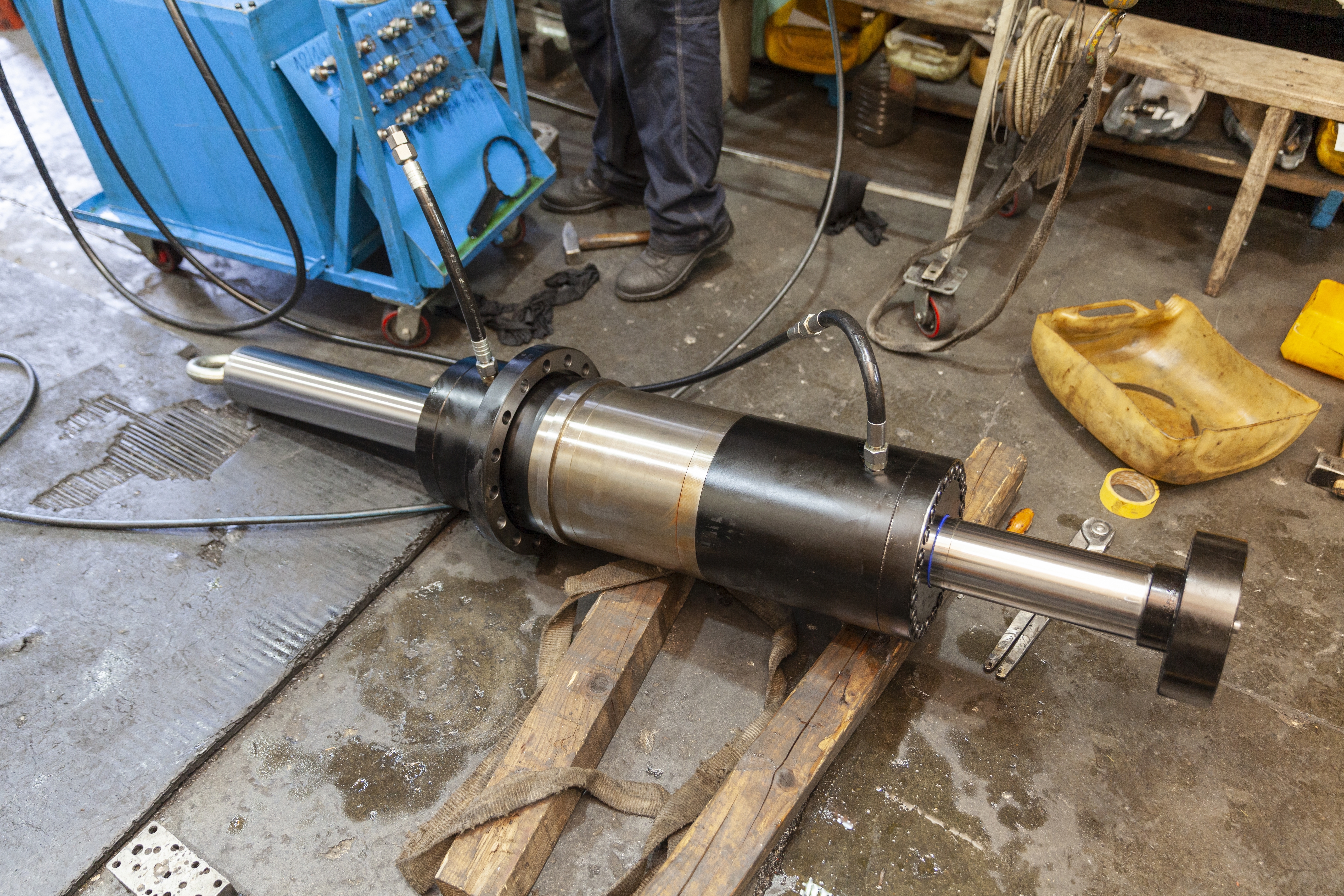
Rental equipment experiences more variability than owned equipment. A unit may go from a clean job site to mud, debris, and corrosive exposure in a single week. Operators may not follow warm-up routines or avoid end-of-stroke impacts. Attachment changes can introduce misalignment or side-loading that accelerates wear.
Cylinder issues also spread. A small rod defect can damage seals, which can introduce contaminants into the oil. Dirty oil affects valves, pumps, and other actuators. That is why a cylinder program supports system health, not only one component.
Discipline means consistent inspections, consistent documentation, and consistent decision rules for when to keep renting versus when to pull a unit from service. That consistency protects uptime, reduces warranty disputes, and improves forecasting for parts and labor.
Hydraulic Cylinders Maintenance Checks That Prevent Rental Downtime
The most effective checks are the ones your team can perform every time, across every model. Focus on rod surfaces, glands, hose routing, fittings, and mounting points. These areas reveal most problems early.
Rod condition is a top indicator. Scratches, pitting, or corrosion marks will shorten seal life quickly. The gland area reveals active leakage and contamination risk. Hoses and fittings show chafing, twist, and seepage. Mount hardware exposes misalignment, pin wear, and bracket problems that create side load.
Build your routine around two timeframes: pre-rental readiness and in-yard maintenance cadence. Pre-rental checks protect customers from mid-job failures. In-yard checks keep your fleet from drifting into degraded condition as units cycle in and out.
Use a clear checklist that technicians can complete quickly.
Wipe the rod and look for scoring, pits, or discoloration
Clean the gland area and confirm that wetness does not return after the operation
Inspect ports and fittings for seepage, looseness, or damaged threads
Check hoses for rub marks, tight bends, and clamp fatigue
Examine pins and retainers for movement, ovaling, or fretting
These checks should be paired with basic fluid and filter attention. Oil condition affects every actuator on the unit. If a machine shows foaming or a burnt odor, treat it as a reliability risk, not a cosmetic issue.
Standardizing Turnaround Inspections Across Mixed Equipment Types
Rental fleets often include excavators, wheel loaders, skid steers, cranes, and material handlers. Each has different cylinder types, but your turnaround process can still be standardized. Standardization reduces training time, improves inspection quality, and creates consistent documentation for decision-making.
Start with a common format for inspection notes and photos. Use the same angles and terminology, so one technician’s record is understandable to another technician and to management. Capture baseline measurements where possible, such as stroke behavior, drift under load, or operating temperature during a short test.
Next, standardize how you classify findings. Not every leak requires removal from service. Not every cosmetic mark is a failure. Clear categories reduce debate and keep decisions objective.
A simple grading system helps.
Minor: light residue, no active dripping, normal motion, stable temperature
Monitor: recurring wetness, small seepage at fittings, slight speed change
Action: active leakage, rod damage you can feel, drift under load, jerky travel
Stop: spray under pressure, rapid fluid loss, unsafe movement, structural mount damage
This structure allows service writers, yard managers, and technicians to speak the same language. It also helps procurement understand urgency when a repair decision requires approval.
When To Pull A Unit From Service And Schedule Repair
Rental operations face a constant tension: keep units available, but avoid sending out unreliable equipment. The right call protects customer trust and reduces expensive field failures.
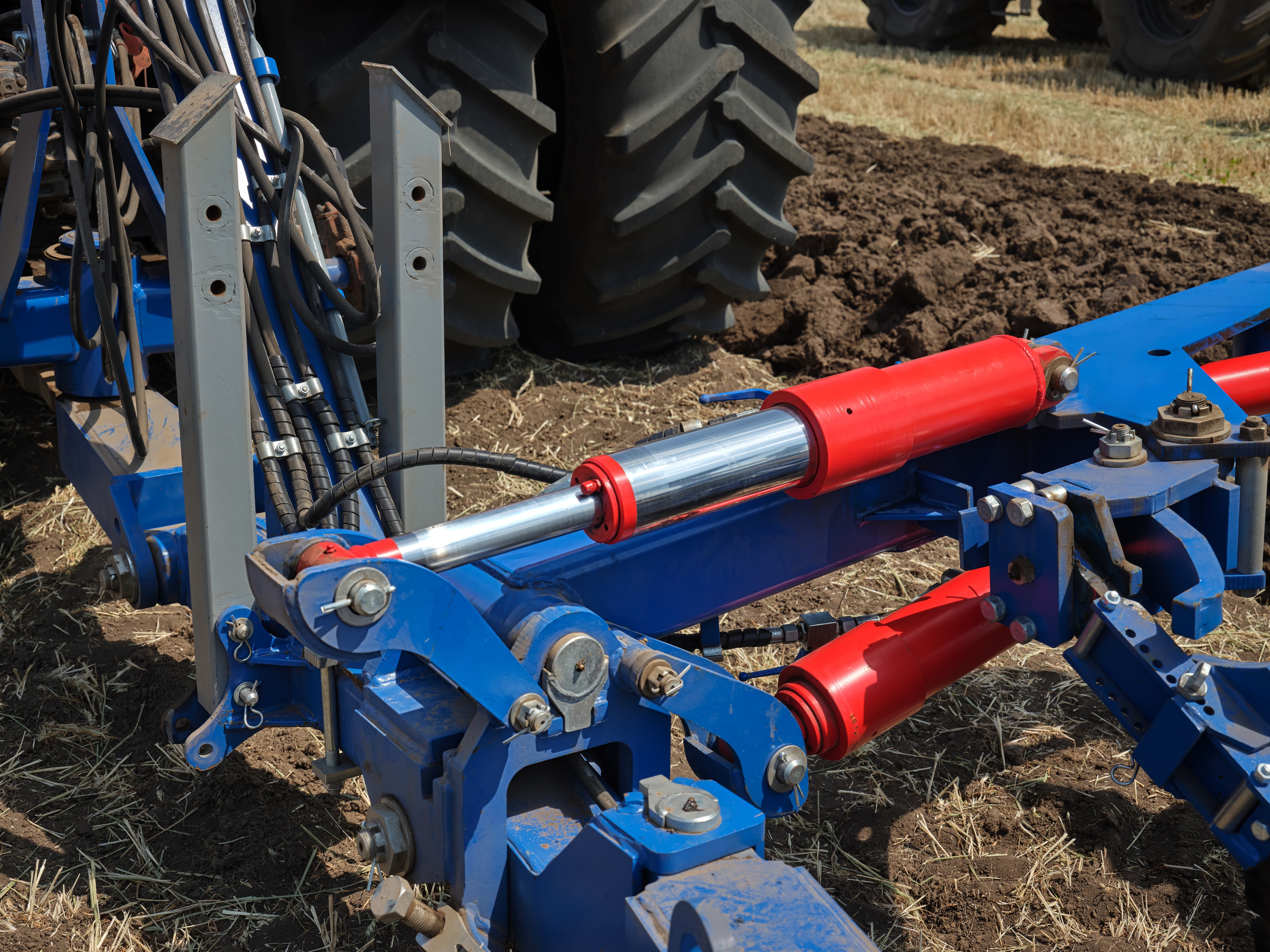
Pull a machine from service when failure indicators suggest accelerated damage or safety risk. Active leakage that returns quickly after cleaning is one of the most reliable triggers. Rod surface damage that catches a fingernail is another. Drift under load is a strong indicator of internal bypass or valve issues, and it can lead to inconsistent operation. Jerky motion, hesitation, or chatter often signals contamination, air ingress, or misalignment that can worsen rapidly under job site conditions.
Heat matters too. A sudden rise in operating temperature, combined with any of the above symptoms, often means efficiency loss and increasing wear. Treat that combination as a scheduling trigger, not a wait-and-see item.
Establish repair planning rules that fit your business. High-demand units should have earlier intervention thresholds. Specialty machines with limited substitutes may need a spare strategy or planned rotation schedule. The objective is to control timing instead of letting the job site decide.
Protect Your Rental Uptime With C&L Cylinder and Machine
When a fleet unit needs cylinder work, the repair partner must be able to handle size, weight, and turnaround requirements without shortcuts. At C&L Cylinder and Machine, we repair large hydraulic cylinders for heavy equipment applications at our 50,000 square foot facility in Lindale, Georgia, using heavy machining, welding, and dedicated disassembly and assembly setups built for oversized components. Our process-oriented approach can support rental operators who need consistent evaluation, a clear scope, and reliable completion schedules for large cylinders.
If your team is seeing recurring leakage, rod surface damage, drift, or inconsistent movement across high-use units, you can reduce downtime by planning repairs before the next rental is impacted. Let’s connect to discuss your cylinder condition and coordinate a repair path that supports fleet reliability.


