
Hydraulic Pressure Testing: Why Cylinder Testing Is Critical Before Reinstallation

Reinstalling a cylinder is expensive even when everything goes smoothly. You need labor, rigging, a safe lift plan, machine downtime, and a restart sequence that often ties up multiple teams. If the cylinder has to come back off because of leakage, drift, or unstable motion, the cost multiplies quickly. That is why hydraulic pressure testing should be treated as a required step before reinstallation, not an optional extra. A cylinder can look clean and well-assembled, yet still fail under load if a sealing surface is damaged, a port is compromised, or internal bypass is present.
Pressure testing provides proof. It validates that the cylinder can hold pressure, move correctly, and maintain performance at real working conditions. It also reduces the risk of repeat removals that disrupt production schedules in scrap yards, waste facilities, aggregate operations, heavy equipment fleets, and manufacturing plants.
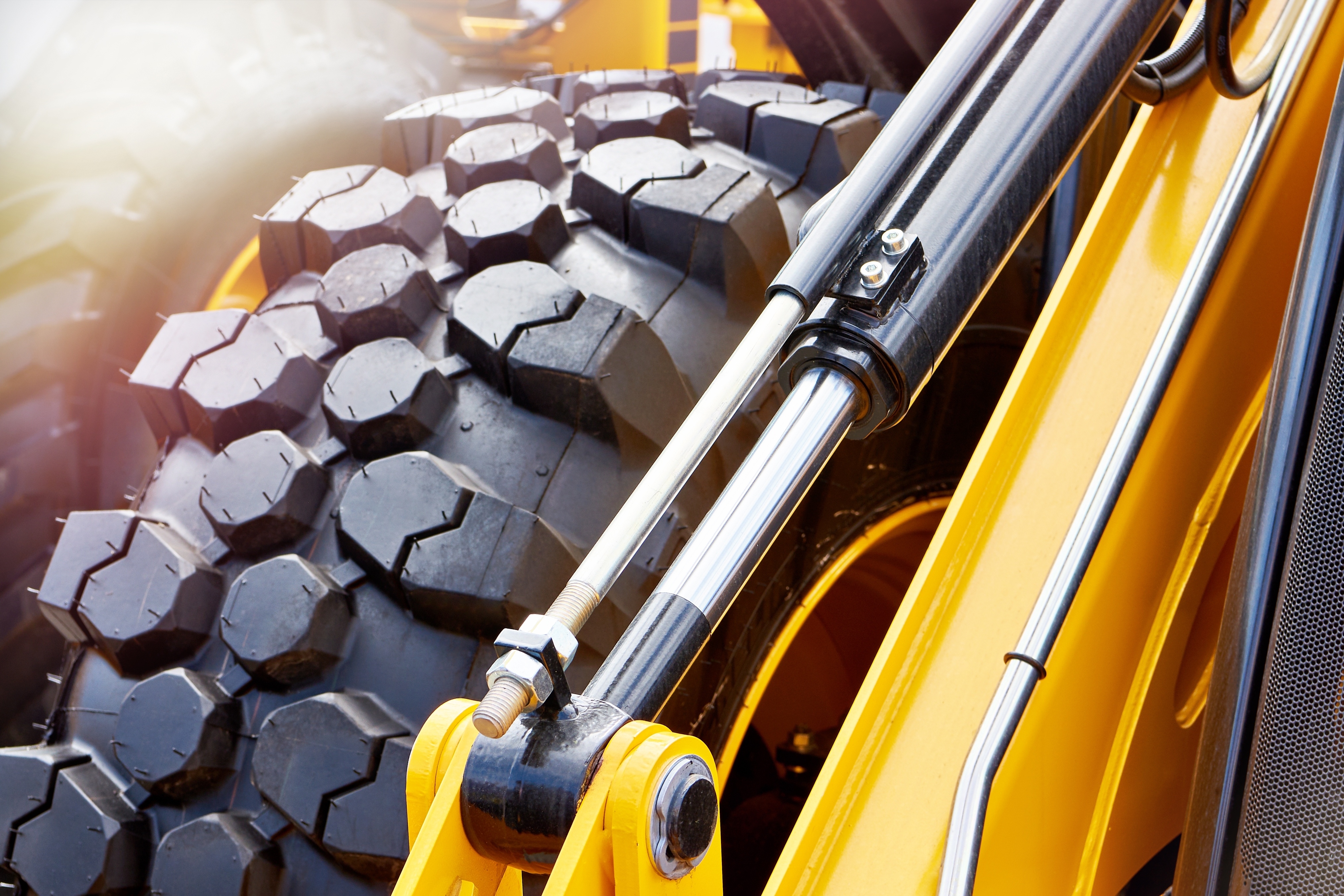
What Cylinder Pressure Testing Verifies That Visual Inspection Cannot
Visual inspection is valuable, but it has limits. Many cylinder issues are internal and only reveal themselves under pressure. A piston seal can look fine and still bypass when aload is applied. A rod seal can appear dry and then leak once pressure and heat rise. A small defect on a rod surface may not stand out until it cuts a seal during the first loaded cycles.
Pressure testing verifies critical performance characteristics. It confirms external leak tightness at ports, glands, and fittings. It validates internal sealing by checking whether the cylinder holds position under load and whether it creeps during a hold cycle. It also reveals motion quality issues such as hesitation, stick slip, or uneven speed that can indicate contamination, misalignment, or assembly problems.
Testing can also expose issues that are easy to miss during assembly. Incorrect seal orientation, damaged O rings, small cracks in a weld, and thread damage at ports are examples. Without testing, those problems may not show up until the cylinder is back on the machine, at which point the cost of correction is far higher.
Hydraulic Pressure Testing Steps and Key Pass Fail Criteria
A good test process is controlled, repeatable, and documented. The goal is to replicate operating conditions safely while measuring whether the cylinder holds pressure and behaves consistently.
Testing often begins with confirming correct porting, stroke, and mechanical configuration. Then the cylinder is cycled to confirm smooth movement and proper end-of-stroke behavior. After cycling, pressure is applied to evaluate external leakage and internal bypass. Hold tests are particularly important for cylinders that must maintain position in service.
A practical testing framework includes these checkpoints.
Confirm correct stroke length and smooth movement through travel
Pressurize and inspect for leakage at the gland, ports, and weld areas
Perform hold tests to identify drift or pressure decay under load
Check for abnormal noise, vibration, or inconsistent speed
Document readings and observations for traceability
If a cylinder fails any of these, it is typically better to correct the issue in the shop rather than on the machine.
Common Issues Pressure Testing Catches Before They Become Downtime
Testing often catches problems that would otherwise become immediate rework. Internal bypass is one of the most common. A piston seal issue can cause drift under load, reduced force, and heat generation. A hold test can reveal this quickly.
External leakage is another frequent catch. A fitting may seep only when pressure rises. A rod seal may leak only at certain positions where the rod surface has a defect. A port thread issue may appear as a mist or wetness that is invisible during a visual check.
Use a troubleshooting-minded view when interpreting test results.
Drift or pressure decay points toward internal leakage pathways
External wetness near the gland suggests a rod seal or surface issues
Seepage at ports may indicate O-ring damage or thread problems
Jerky travel can indicate friction, contamination, or alignment issues
Heat rise during testing can signal inefficiency and internal leakage
Catching these issues before reinstall reduces repeat removals and protects uptime.
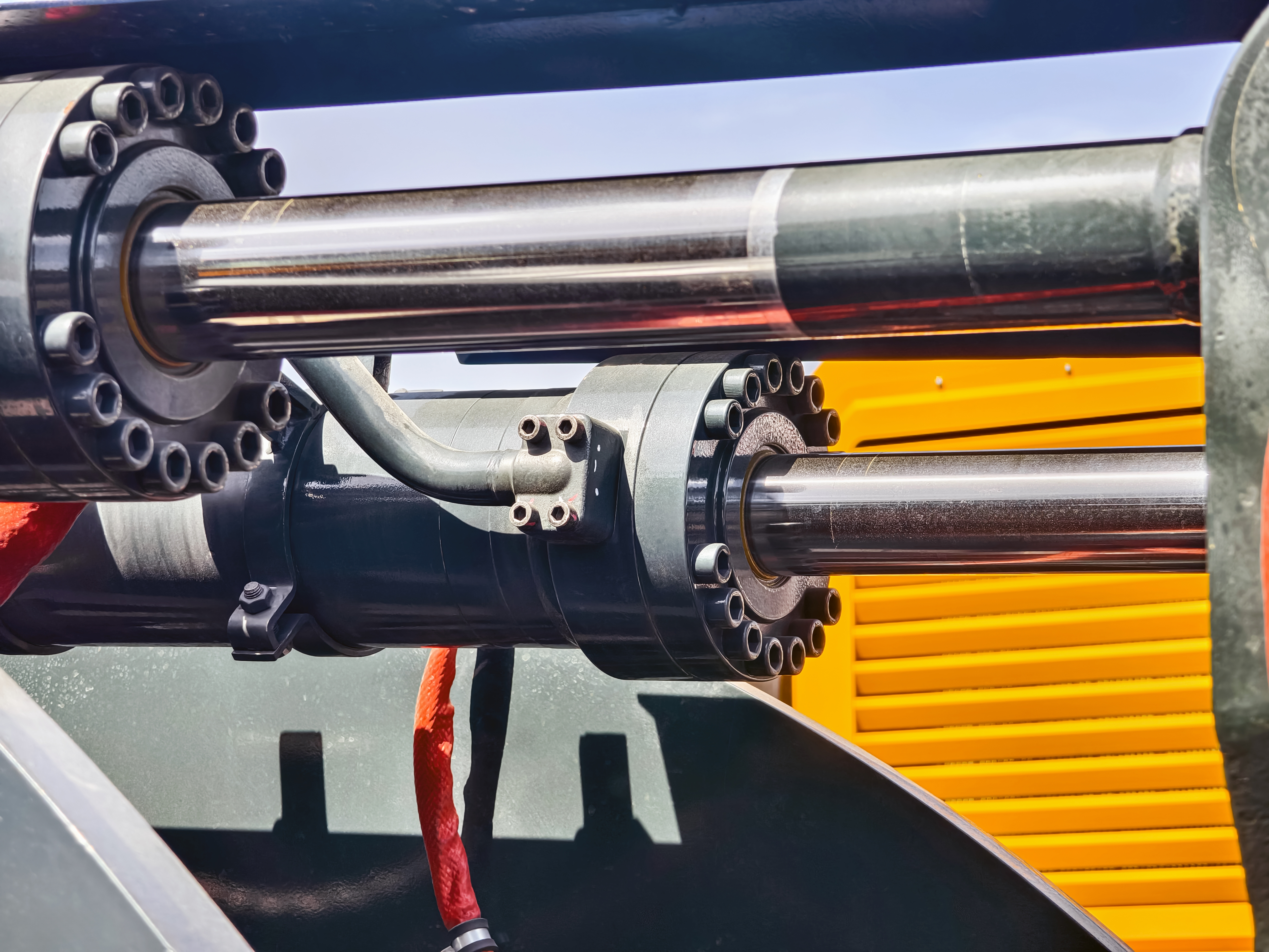
Building a Reinstallation Checklist That Reduces Repeat Removals
Pressure testing is most effective when paired with a reinstallation checklist. The checklist ensures that the cylinder is not only tested, but also installed in a way that protects it from immediate damage.
Alignment and mounting conditions matter. Worn pins and bushings create a side load that can damage seals quickly. Hose routing matters too. Twisted hoses and strained fittings can create leaks and port damage. Cleanliness during installation is also important. Introducing debris during reconnect can contaminate the circuit and undermine the benefits of a clean rebuild.
A practical checklist reduces avoidable failures after reinstallation.
Inspect mounts, pins, and bushings for play and alignment issues
Confirm hose routing avoids twist, rub points, and strain on fittings
Keep ports capped until connection to reduce contamination entry
Validate correct torque and secure retainers on mounting hardware
Perform initial cycles at low load and recheck for leakage
This approach helps ensure the cylinder performs in the field the way it performed on the test bench.
Reduce Reinstall Risk With C&L Cylinder and Machine
For large cylinders, the stakes are higher because removal and reinstallation require significant labor, rigging, and downtime. C&L Cylinder and Machine repairs large hydraulic cylinders for balers, heavy equipment, and industrial presses in its Lindale, Georgia, facility, using in-house machining, welding, and specialized disassembly and reassembly setups designed for oversized components. A process that includes proper testing and documentation can help maintenance teams reduce the risk of repeat removals and protect production schedules.
If you are planning a cylinder reinstall and want confidence that the unit will hold pressure and perform correctly under load, get in touch with C&L Cylinder and Machine to discuss your application and service needs.


