
Paper Recycling Operations: Common Hydraulic Cylinder Failures and How to Prevent Them

Paper recycling facilities rely on consistent compaction, controlled movement, and predictable cycle times. When one actuator starts to slip, leak, or hesitate, the entire line can feel it through lower throughput, bale quality variation, and unplanned maintenance calls. In this environment, a hydraulic cylinder is rarely a passive component. It is a production driver, and its reliability depends on how well you manage contamination, alignment, and operating conditions.
Paper recycling presents a unique mix of stressors. Dust and fiber migrate everywhere. Moisture from incoming loads and washdowns can create corrosion. Cycle rates can be high, and pressure spikes can occur during jams or uneven feed. This guide explains the most common hydraulic cylinder failure patterns seen in paper recycling operations and the practical steps maintenance teams can use to reduce risk and extend service life.
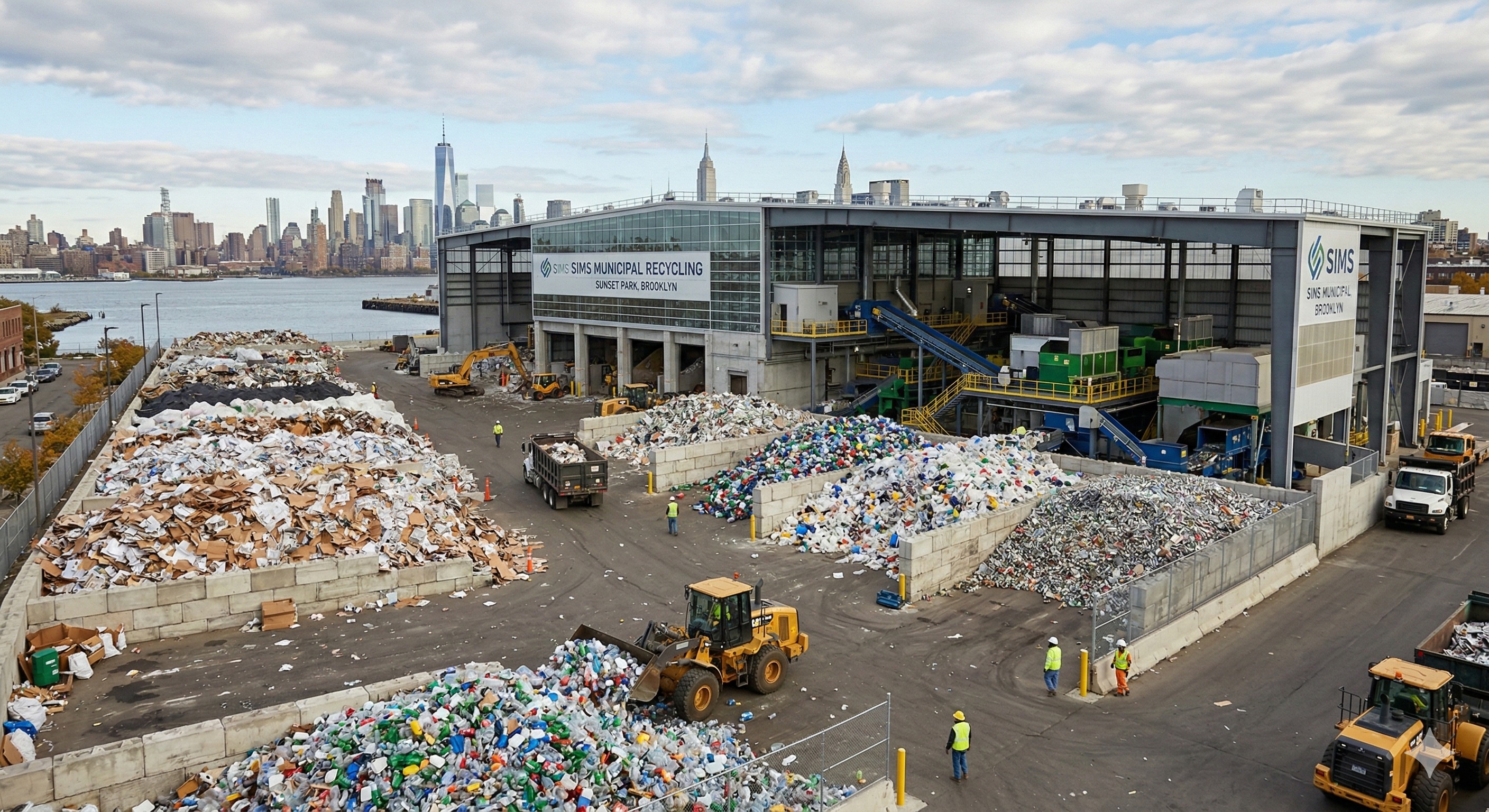
Why Paper Recycling Conditions Accelerate Cylinder Wear
Paper fiber is surprisingly abrasive. It is light, airborne, and persistent, which makes it excellent at finding wipers, glands, and breathers. Once fiber and dust work past the wiper, they accelerate seal wear and can contribute to rod scoring over time.
Moisture is another contributor. Incoming bales and loose paper can be wet. Washdowns and humidity also play a role. Moisture on the rod can lead to corrosion pits, and pitting is a seal killer. A cylinder can have a rod that looks “mostly fine,” while a few small pits are doing real damage during every stroke.
Paper recycling lines also experience operational variability. As feed density changes, material can bridge or jam. Operators may increase force or cycle more aggressively to keep output moving. Those conditions raise pressure and heat. Heat speeds the degradation of seals and reduces fluid lubrication, which makes friction and wear worse.
Common Hydraulic Cylinder Failures In Paper Recycling Operations
Most cylinder problems in paper recycling fall into repeatable categories. Knowing the category helps you choose the right prevention action instead of guessing.
External leakage is the most common visible symptom. It often starts as a light oil film at the gland and progresses to dripping. Leakage can come from worn seals, damaged wipers, rod surface defects, or stress at fittings. If the leak is paired with dust accumulation around the gland, contamination ingress is likely accelerating the issue.
Internal bypass is another frequent failure mode. It shows up as drift under load, reduced force, or longer cycle times. In balers and compactors, internal leakage can also reduce bale consistency because the machine cannot hold pressure as designed.
These are the most frequent failure indicators teams report during troubleshooting:
Oil film or wetness at the gland that returns soon after cleaning
Drifting or creeping under load during hold or dwell periods
Slower stroke speed or inconsistent motion during extension or retraction
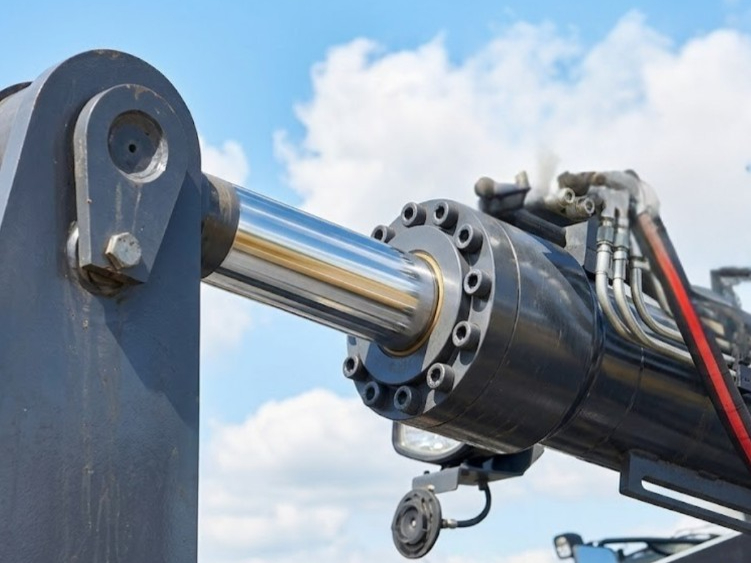
Rod scratches, corrosion pits, or discoloration near the working area
Excessive play at mounts, pins, or bracket interfaces
Treat these as categories, not isolated symptoms. This perspective will help you identify root causes faster.
Prevention Tactics That Reduce Leaks, Drift, and Surface Damage
Hydraulic cylinder failure prevention in paper recycling is less about adding complexity and more about controlling exposure. Start with cleanliness habits that focus on the rod and gland area. A clean rod reduces the chance that fiber is pulled past the wiper. Cleaning also makes early leakage easier to spot.
Protect fluid health. Dust and fiber can enter through breathers and poor housekeeping around fill points. Filters and breathers are a low-cost defense, but they must be monitored and replaced based on condition, not only on a fixed calendar.
Use a preventive routine that fits your schedule and is easy to execute consistently.
Wipe rods and inspect wipers during daily or shift walkarounds
Clean around glands so new leakage is visible quickly
Check breathers and filter indicators, and replace when restricted
Track operating temperature and investigate sudden increases
Inspect mounts, pins, and bushings for movement before play becomes excessive
This approach focuses on contamination control, moisture management, and alignment stability, which are the highest value prevention targets in paper recycling environments.
Inspection Triggers That Signal It Is Time to Schedule Repair
Paper recycling operations often run at high utilization, so the decision to schedule repair must be clear. Waiting too long can turn a manageable rebuild into a more extensive project, especially if rod damage worsens and contaminates the hydraulic circuit.
Drift under load deserves escalation, especially if it affects bale density or causes inconsistent dwell behavior. Jerky motion or hesitation can signal aeration, contamination, or misalignment, and those issues tend to worsen under high-cycle use. Temperature rise paired with any of these symptoms is a strong sign that wear is accelerating.
A planned repair window is often the most cost-effective option because it reduces the chance of a surprise shutdown during peak throughput.
Plan Your Next Cylinder Repair Window With C&L Cylinder and Machine
When a cylinder issue crosses from prevention to repair, heavy capacity and process discipline matter. For paper recycling operators managing high-cycle balers and compactors, a shop that can handle large units and restore critical surfaces can help reduce repeat failures tied to rod damage and contamination exposure.
At C&L Cylinder and Machine, we repair large hydraulic cylinders for balers, heavy equipment, and industrial presses at our Lindale, Georgia, facility, with in-house machining, welding, and specialized setups designed for oversized components.
If your facility is seeing recurring leaks, drift, rod pitting, or mount-related side-loading, you can often avoid a disruptive breakdown by planning repair ahead of failure. Connect with us to discuss your cylinder condition and schedule the next practical step that supports uptime.


