
Understanding Hydraulic Cylinder Seals: When to Replace and What Types Last Longest

Seals are not the most visible part of a cylinder, but they often determine whether your equipment stays productive or becomes a repeat maintenance problem. When hydraulic cylinder seals begin to degrade, the first signs can be subtle: light residue at the gland, slightly slower motion, or drift under load that appears only under heavy force. If those signs are ignored, the outcome tends to be predictable: leakage increases, contamination enters the system, and wear accelerates on expensive surfaces such as rods and barrels.
This guide breaks down what cylinder seals actually do, the replacement triggers maintenance teams can rely on, and which seal styles tend to deliver longer life in demanding industrial applications. The goal is not to recommend one brand or material for every use. The goal is to help you make better decisions based on environment, duty cycle, and the wear patterns you are seeing in the field.
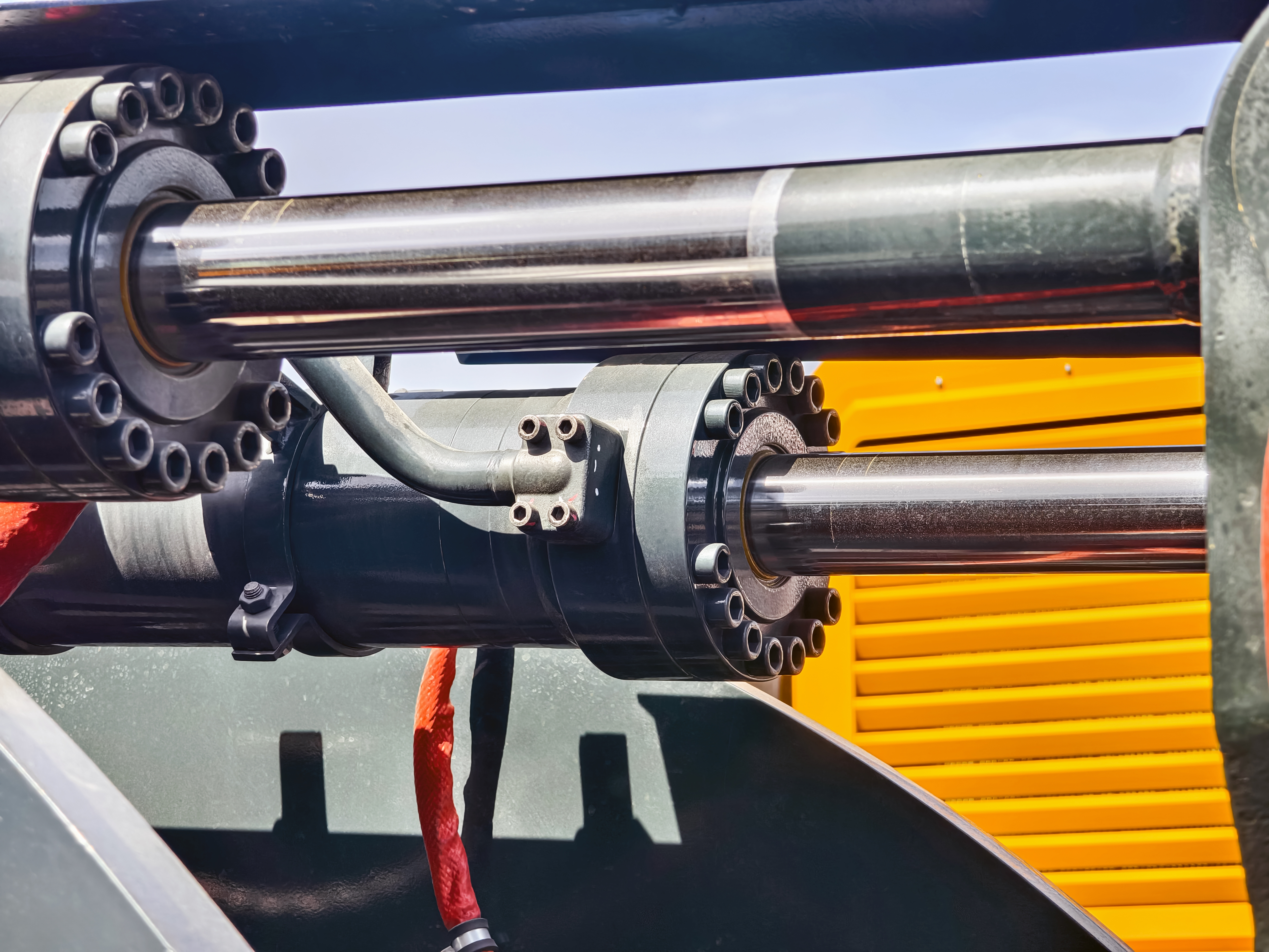
What Hydraulic Cylinder Seals Do And Why They Fail
A cylinder uses multiple seal elements, each with a different job. Rod seals control leakage as the rod extends and retracts. Piston seals prevent internal bypass across the piston, which supports force and load holding. Wear bands guide the piston and rod to reduce metal-to-metal contact. Wipers keep contaminants from entering the gland.
Seals fail for a few main reasons. Contamination is one of the most common. Dust and grit enter past damaged wipers or poor housekeeping practices and act like abrasives. Heat is another. High temperature reduces lubricity, accelerates oil degradation, and can harden or deform sealing materials over time. Misalignment also drives failure. Worn pins, bushings, or mounts create side-loading, which increases friction and causes uneven seal wear.
Rod surface condition matters as well. A rod with scoring, pitting, or corrosion marks will shorten seal life quickly. In those cases, replacing seals without addressing the surface often results in rapid repeat leakage.
Hydraulic Cylinder Seals Replacement Triggers You Can Trust
Seal replacement decisions should be based on evidence, not guesswork. Some leakage is not immediately catastrophic, but patterns and escalation matter. If you see a small oil film that remains stable and does not worsen, it may be a monitor item. If you see leakage that grows quickly, returns soon after cleaning, or begins dripping, the cylinder is often moving toward failure.
Drift under load is another dependable trigger. Internal bypass at the piston seal can cause creeping even when the valve is in neutral. This symptom is especially important on presses, balers, clamps, and lifting circuits where load holding affects safety and product quality.
Use triggers that are easy to communicate across shifts and locations.
Wetness at the gland that returns quickly after cleaning
Dripping or spraying under load near the rod seal area
Drift under load that is new or worsening
Repeated seal failures within a short interval
Rod surface damage that can be felt with a fingernail
These indicators help teams schedule service before a seal problem becomes a system-wide contamination event.
Seal Types That Tend To Last Longer In Real Operations
Seal life depends on more than the seal itself, but certain design approaches tend to perform better in demanding conditions. The most durable systems are typically those that manage pressure effectively, resist extrusion, and handle contamination exposure with strong wiper performance.
Material selection matters, but it must match the environment. Heat, fluid chemistry, and contamination exposure influence performance. Rather than focusing only on “harder is better,” focus on compatibility and the conditions that drive wear. A seal that performs well in a clean manufacturing environment may not last in a dusty scrap yard if the wiper system is not robust.
When teams ask what lasts the longest, the practical answer is usually a combination of seal design and system control. Look for seal stacks that incorporate backup elements and strong wiper protection when contamination risk is high.
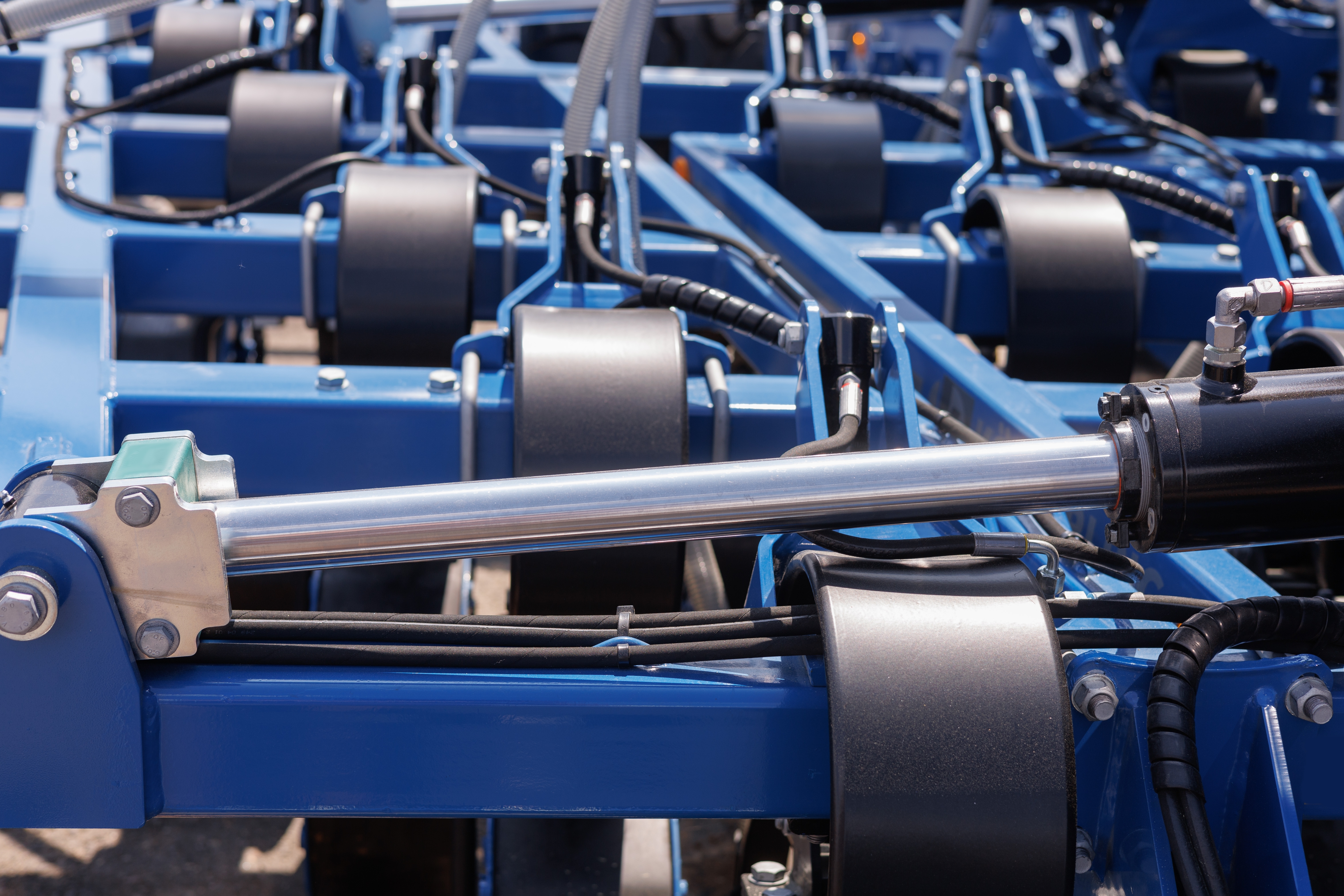
Extending Seal Life Through Cleanliness, Alignment, And Heat Control
The best way to extend seal life is to reduce the conditions that damage seals. Cleanliness is first. Keep rod surfaces clean and avoid practices that drive debris into the gland. Maintain breathers and use clean transfer equipment during service. Filters should be managed based on condition indicators so you can respond when contamination load increases.
Alignment is second. Worn mounts create side-loading and friction that seals cannot overcome for long. Inspect pins, bushings, and bracket interfaces regularly. Address play early, since small looseness becomes larger wear patterns over time.
A practical seal life routine includes the following actions.
Wipe rods and clean gland areas so leaks are visible early
Inspect wipers and replace them when torn or hardened
Replace breathers and keep reservoirs sealed during service
Track temperature changes and investigate sudden increases
Check pins and mounts for play that creates misalignment
These steps support longer seal intervals and reduce the risk of repeat failures.
Get Large-Cylinder Seal Support From C&L Cylinder
Seal replacement is not always a simple maintenance task when cylinders are large, heavy, or critical to production. When you are dealing with oversized cylinders used in balers, heavy equipment, or industrial presses, the right repair partner can help ensure the seal system is restored correctly and that rod and barrel surfaces are evaluated for damage that causes repeat leaks. C&L Cylinder and Machine repairs large hydraulic cylinders in our Lindale, Georgia facility, using in-house machining, welding, and specialized disassembly and reassembly setups designed for large units.
If your team is seeing recurring leakage, drift under load, or repeated seal failures that suggest deeper surface wear or alignment issues, reach out to C&L Cylinder and Machine to discuss your cylinder condition and next steps.


