
Chrome Rod Damage on Hydraulic Cylinders: Causes, Repair Options, and Prevention

A cylinder rod does more than move a load. It is a precision surface that protects seals, maintains alignment, and keeps contaminants out of the hydraulic circuit. When chrome begins to pit, score, or flake, it creates a chain reaction: wipers lose effectiveness, rod seals wear faster, leakage grows, and contamination risk increases. In demanding industrial environments, rod damage is one of the most common reasons hydraulic cylinders return for repeat service. The earlier you identify the type of damage and its root cause, the more controllable the repair becomes.
This guide explains what chrome rod damage looks like, why it happens, the most common repair paths, and practical prevention habits that extend rod life. The focus is on field reality across balers, presses, heavy equipment, and material handling systems, where duty cycles and contamination exposure are high.
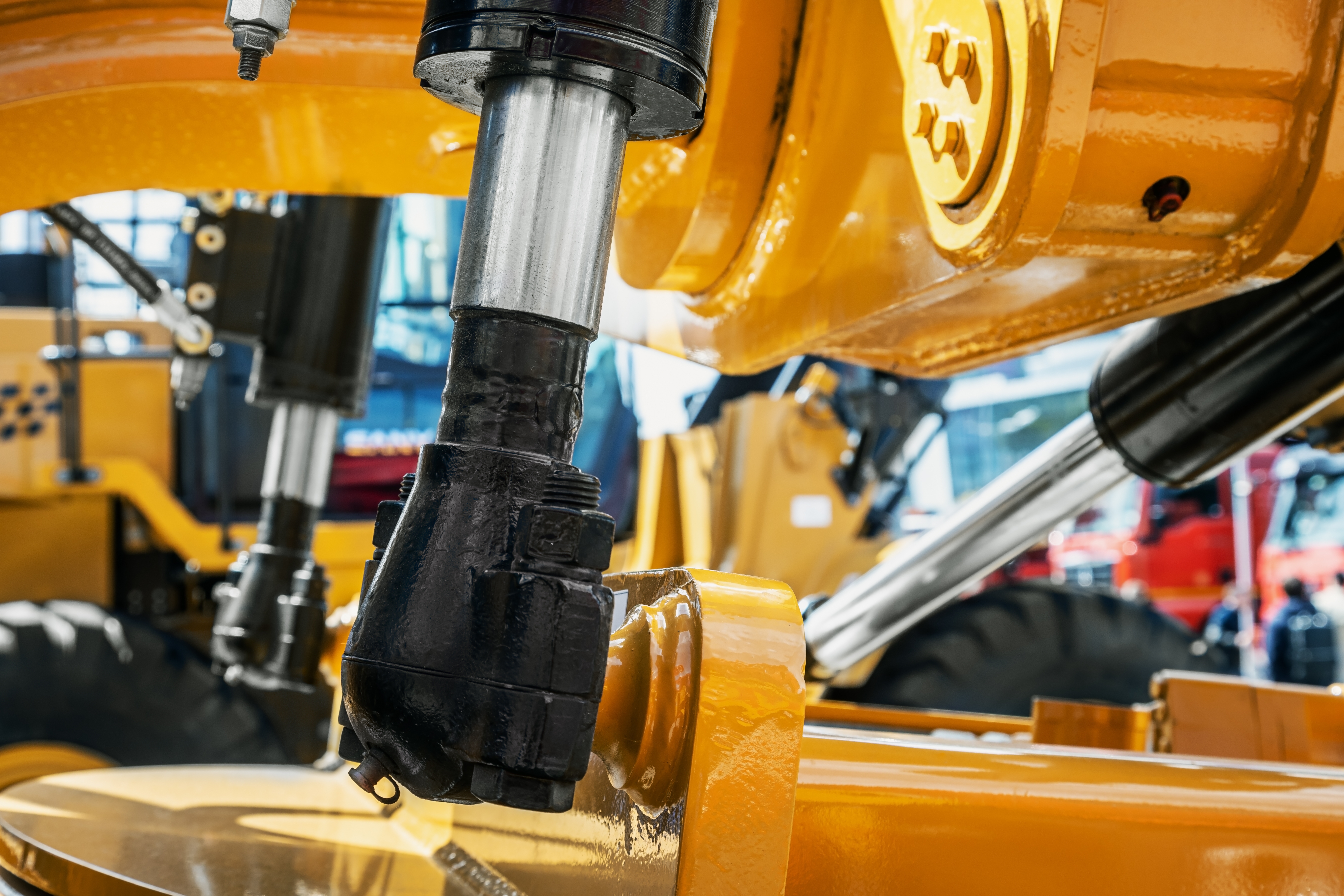
What Chrome Rod Damage Looks Like In the Field
Chrome rod damage often begins small. A cylinder may still function, but you may notice residue returning at the gland soon after cleaning. Over time, that residue can become active dripping. In many cases, the seal is blamed first, but the rod surface is the real driver.
Scoring is one common pattern. It appears as lines or grooves along the rod, often caused by abrasive particles passing through the sealing interface. Pitting is another. It shows up as small crater-like spots, frequently linked to corrosion from moisture exposure or salt contamination. Chrome flaking or peeling is more severe. It can appear as raised edges, missing sections, or rough areas that tear seals quickly.
Rod damage can also be localized. The travel zone that passes through seals is the most critical. Damage outside that zone may be less urgent, but any defect within the working area will shorten seal life. A simple field test helps: if a defect catches a fingernail, it can cut seals.
Why Hydraulic Cylinders Develop Scoring, Pitting, and Chrome Flaking
Rod damage usually comes from a combination of contamination, misalignment, and surface stress. Contamination is a leading cause. Dirt and grit can enter past worn wipers, poor housekeeping, or damaged boots. Once particles reach the gland, they become abrasives. Scoring often follows.
These are common contributors maintenance teams should consider when diagnosing rod problems.
Worn or torn wipers that allow abrasive material into the gland
Persistent moisture exposure that drives corrosion and pitting
Mount wear that creates side-loading and uneven rod contact
Impact events that introduce bending stress or surface fatigue
Dirty or degraded oil that accelerates wear across the system
Identifying the contributor matters because it determines whether a repair will hold or become a repeat issue.
Repair Options That Restore Rod Performance and Seal Life
The right repair depends on the damage type and the cylinder’s role in the operation. Light surface imperfections may be addressed through polishing if they are outside the working area and do not compromise sealing surfaces. However, if defects are in the travel zone, polishing alone may not be sufficient, especially if scoring is deep.
For pitting and scoring in the working area, restoration often involves machining and surface correction. Depending on severity, the rod may be repaired through processes that restore surface finish and dimensions. In cases where chrome is flaking or damage is extensive, replacing the rod can be the most reliable path.
Use a repair decision approach that weighs reliability against downtime risk.
Minor defects outside the working zone may allow limited surface correction
Damage in the sealing travel zone typically requires surface restoration or replacement
Flaking chrome often indicates a more serious condition that can cause repeat failures
Mount wear and misalignment should be corrected to protect the repaired rod
Fluid cleanliness improvements help prevent new abrasion after repair
A controlled repair plan restores performance and reduces the chance that the cylinder returns with the same problem.
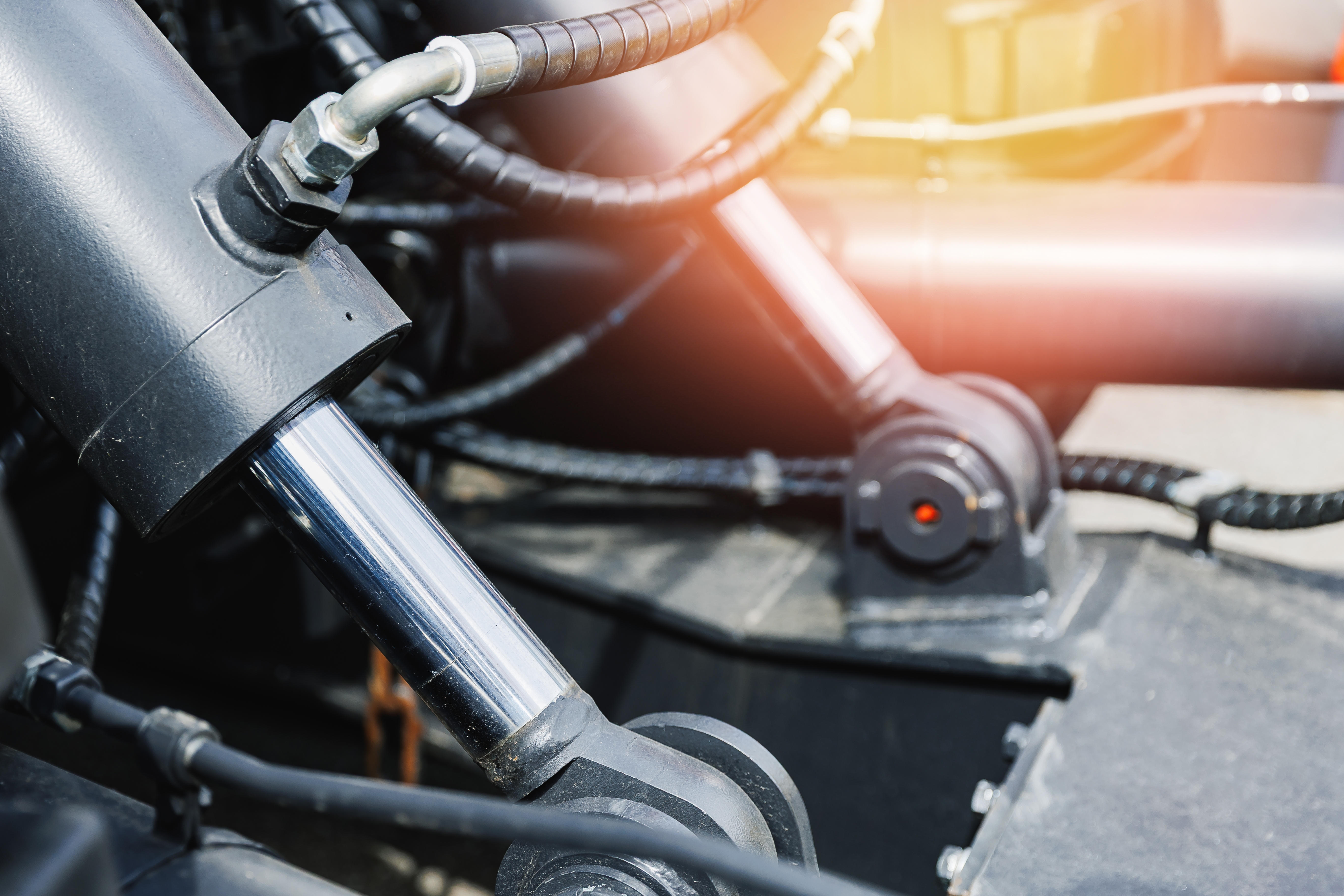
Prevention Practices That Reduce Repeat Rod Damage
Prevention is about controlling what reaches the gland and protecting the rod surface during operation and storage. The most effective habit is keeping rods clean. Dirt on a rod becomes abrasion inside the gland. A simple wipe during walkarounds can prevent a lot of damage.
Wiper condition should be treated as critical. If wipers are torn or hardened, contaminants will enter. Replacing wipers early is often cheaper than rebuilding a cylinder after scoring develops. Moisture management also matters. Avoid pressure washing directly at seals, and minimize leaving rods extended during long storage periods when corrosion risk is high.
A practical prevention routine includes these steps.
Wipe rods and inspect for early scoring or corrosion marks
Keep gland areas clean so new leakage is easy to spot
Replace damaged wipers quickly to reduce contamination ingress
Inspect mounts and pins for play that signals misalignment
Manage moisture exposure and retract rods during storage when possible
These habits reduce the main drivers of scoring, pitting, and flaking.
Plan a Controlled Rod Repair With C&L Cylinder and Machine
When rod damage moves beyond monitoring, a controlled repair window is usually the best approach, especially for large cylinders that are difficult to swap quickly. C&L Cylinder and Machine repairs large hydraulic cylinders for balers, heavy equipment, and industrial presses in our Lindale, Georgia facility, using in-house machining, welding, and specialized disassembly and reassembly setups designed for oversized components. Their process-driven work supports evaluation of rod condition, surface restoration needs, and alignment-related wear patterns that can drive repeat damage.
If you are seeing scoring, pitting, or chrome flaking that is leading to recurring leaks or drift, connect with us to discuss your application and repair options.


