
Large Bore Hydraulic Cylinders: Special Considerations for Repairs Over 12 Inches

Repairs on large bore cylinders are not simply scaled-up versions of standard work. Once bore size crosses 12 inches, everything changes: handling, safety, disassembly force, machining requirements, and the consequences of small errors. These cylinders often live in high-force applications such as balers, heavy material handling equipment, and industrial presses. When they fail, the downtime impact is significant, and the repair process must be deliberate to avoid repeat removals. That is why hydraulic cylinder repairs for large bore units require specialized capability and a different planning mindset.
This guide explains what makes large bore cylinders unique, what repair considerations matter most, and how maintenance and procurement teams can reduce risk through better inspection criteria, logistics planning, and reinstallation preparation.
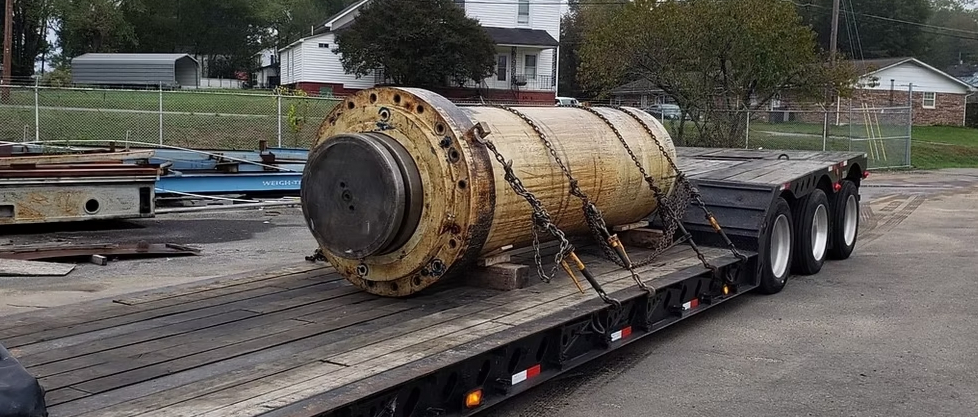
Why Large Bore Cylinders Change The Repair Equation
Large bore cylinders carry high force because pressure acts across a larger area. That increased force affects sealing demands, component loading, and wear behavior. A small amount of internal bypass that might be tolerable in a smaller cylinder can create significant performance loss in a high-force application. Likewise, a small surface defect can cause faster seal wear because the contact area and energy involved are higher.
Weight and size also affect safety and precision. Disassembly and reassembly require controlled handling to avoid damage to critical surfaces. Any impact or uncontrolled movement can nick a rod, scar a bore, or damage a gland. Those defects can lead to early leakage, drift, or motion instability after the cylinder is returned to service.
Large bore units also have longer lead times and higher replacement costs. That makes repair planning more important. A controlled repair window is often far less disruptive than a failure event followed by emergency logistics.
Hydraulic Cylinder Repairs Over 12 Inches Require Different Handling And Tooling
The physical process of handling a large bore cylinder is a technical requirement, not just a shop preference. Specialized lifting, fixturing, and disassembly setups reduce the risk of damaging components during teardown. Glands may require higher torque and specialized tools. Components may be too large for standard benches and presses. Even seal installation can be more complex because seal sizes and tolerances are less forgiving.
Machining requirements are also different. Large tubes and rods require heavy equipment to maintain alignment and surface finish. Long strokes add complexity because straightness and surface quality must be controlled across greater distances. When a cylinder is large enough, minor deviations can become major performance problems under load.
Testing and validation should match the size and application. A large bore cylinder that is not pressure tested appropriately can return to service with an internal bypass issue that becomes obvious only after installation, which creates expensive repeat removal.
The most important point is that size increases risk. The repair process must be built to manage that risk through tooling, handling discipline, and controlled measurement.
Inspection Priorities For Bore, Rod, Gland, And Mounting Interfaces
Inspection is where a successful large bore repair begins. You are looking for surface damage, wear patterns, and alignment indicators that reveal the true cause of failure. If the cause is not addressed, the cylinder may return with the same symptom.
Bore condition is critical. Scoring, out-of-round conditions, and surface damage can compromise seal performance and wear band behavior. Rod condition is equally important. Pitting, scoring, and chrome flaking in the working zone will shorten seal life quickly. Gland condition also matters because it houses the rod sealing system and guides the rod. Damage to gland surfaces or wear ring interfaces can increase friction and lead to leakage.
Mounting interfaces deserve special attention. Large bore cylinders often operate under shock loads, and mounts can develop play or deformation. Pin wear, bushing damage, and bracket misalignment create side-loading, which increases seal wear and can damage rods over time.
A structured inspection approach helps ensure no critical area is missed.
Measure rod condition in the travel zone for scoring, pitting, and surface defects
Evaluate tube and bore surfaces for scoring, wear patterns, and geometry changes
Inspect gland and wear ring interfaces for damage and uneven contact
Review mounts, pins, and bushings for play that indicates misalignment
Assess contamination indicators that suggest dirty oil or wiper failure
This inspection focus supports better repair decisions and reduces repeat failure risk.
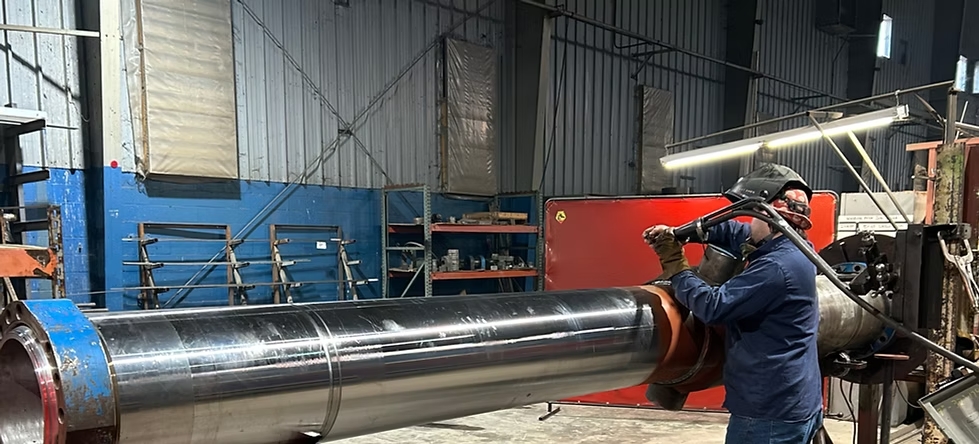
Planning Turnaround, Transport, And Risk Reduction For Reinstallation
Large bore cylinders require logistics planning that smaller units do not. Transport and handling can be a major portion of total downtime. Early coordination on pickup, delivery, and unloading reduces delays and prevents damage during moves.
Turnaround planning should include scope clarity. For a cylinder with rod damage, the repair path may be more involved than a seal replacement. If bore surfaces are compromised, machining may be required. If mounts are worn, reinstallation may need new pins or bushing work to prevent side-loading. Procurement teams benefit from a clear scope because it reduces surprises and improves downtime forecasting.
Reinstallation risk reduction is the final step. Even a perfect cylinder repair can fail early if the mounts are misaligned or the hydraulic circuit is contaminated. A reinstallation checklist should include mount inspection, hose routing checks, and cleanliness controls at ports and fittings. Initial startup cycles should be performed at low load to confirm stable motion and leak-free performance before returning to full production.
A practical reinstallation preparation checklist includes these steps.
Inspect pins and bushings to confirm alignment and reduce side-loading
Confirm hose routing avoids twist, rub points, and port strain
Keep ports capped until connection to reduce contamination entry
Cycle under low load first, then recheck for leakage and drift
Document baseline performance after installation for future comparison
Planning these steps ahead of time reduces the likelihood of repeat removals.
Get Large Bore Repair Support From C&L Cylinder and Machine
Large bore cylinder work demands heavy capability, disciplined handling, and controlled machining and assembly processes. C&L Cylinder and Machine repairs large hydraulic cylinders for balers, heavy equipment, and industrial presses in our Lindale, Georgia, facility, with in-house machining, welding, and specialized disassembly and reassembly setups designed for oversized components. For cylinders over 12 inches in bore, the in-house capacity supports the safe handling and precise restoration work needed to complete hydraulic cylinder repairs that hold up in high-force service.
If your team is planning a large bore repair or evaluating whether a cylinder is repairable, contact C&L Cylinder and Machine to discuss your application and cylinder condition.


