
Hydraulic Cylinder Drift Under Load: What It Means and How to Fix It

A machine that cannot hold its position creates a major reliability and safety concern. This issue directly threatens production quality, equipment stability, and operator confidence. Drift under load is one of the most common complaints maintenance teams voice regarding balers, presses, cranes, and material handling equipment. When a hydraulic cylinder slowly creeps during a hold cycle, fluid is moving somewhere it should not. Technicians must identify where that movement occurs and choose the most practical fix.
This guide explains how drift looks in real operations, outlines the most common root causes, and details how to diagnose the issue without wasting time on guesswork. You will learn to determine whether the issue lies within the cylinder, the valve circuit, or the broader system, allowing you to implement a practical and effective solution.
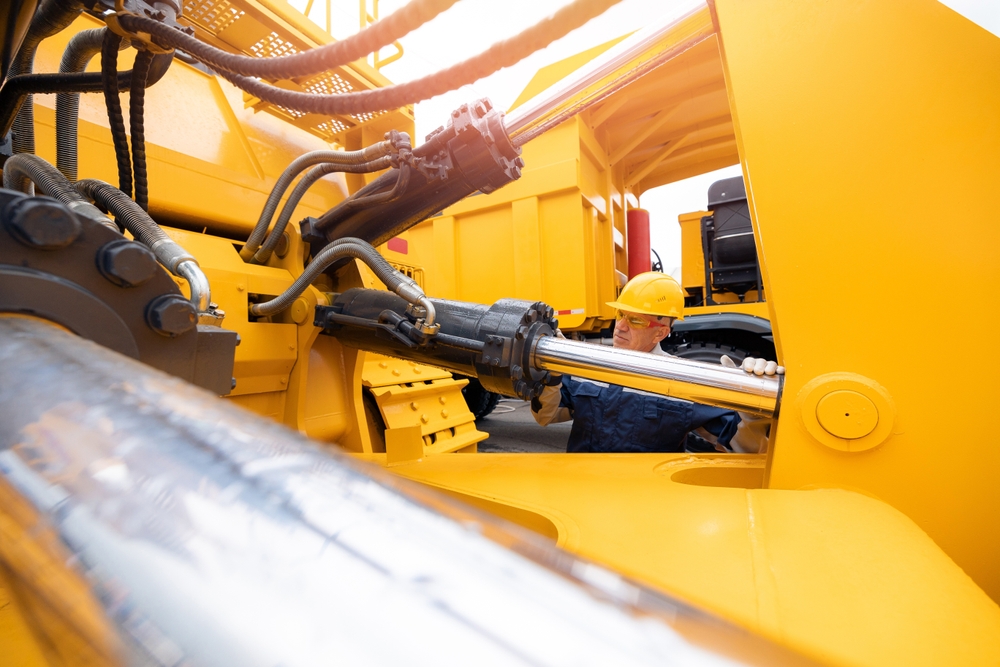
What Hydraulic Cylinder Drift Under Load Looks Like In Real Equipment
Drift is often described as a failure to hold, but it manifests differently depending on the application. A press ram might slowly drop during a hold cycle. A baler door might creep open after closing. A loader boom can settle when the control lever is in neutral, or a clamp might lose its grip and cause material to shift.
The defining feature is uncommanded movement while the control sits in a hold position. This movement may be slow, but it is measurable and repeatable. In many cases, drift worsens as system temperatures rise because the fluid thins and makes leakage paths more active.
Drift can also be directional. A cylinder might creep more in one direction than the other. This variation hints at whether the leakage occurs across the piston seal, through a valve, or through a counterbalance device.
Common Root Causes of System Drift
Drift happens because pressure bleeds off or fluid bypasses its intended path. The root cause usually falls into one of three categories:
Internal Cylinder Bypass: Worn piston seals allow fluid to pass from one side of the piston to the other. This internal flow causes movement even when the valve is in neutral. Internal bypass often brings additional symptoms like slower cycle times, reduced force, or increased heat.
Valve Leakage: Directional control valves do not seal perfectly, and internal leakage increases with wear. If fluid leaks across the valve spool, the hydraulic cylinder can drift even if the cylinder itself remains healthy.
Faulty Load-Holding Devices: Counterbalance valves and pilot-operated check valves prevent unintended movement. If these components suffer from misalignment, contamination, or wear, the system will allow movement under load.
Always treat drift as a system-wide question rather than a simple component failure. You must isolate whether the leak path resides inside the hydraulic cylinder or elsewhere in the circuit.
Tests and Observations to Pinpoint the Problem
Good troubleshooting starts with clear observation. Document the direction of drift, the load condition, and how temperature changes affect the behavior. Then, apply simple isolation steps according to your equipment procedures.
Compare behavior under different loads. If drift only becomes significant under a heavy load, focus on the load-holding devices or internal bypass. If drift occurs even with a minimal load, look closely at valve leakage or circuit configuration.
Use a documentation checklist to keep your findings consistent:
Direction of movement and approximate rate of creep
Load condition during drift and whether the load changes
Oil temperature when drift begins and when it worsens
Related symptoms like slow response or noise during motion
Recent events like jams, overloads, or hydraulic component changes
These notes help reduce trial-and-error and support a faster repair decision.
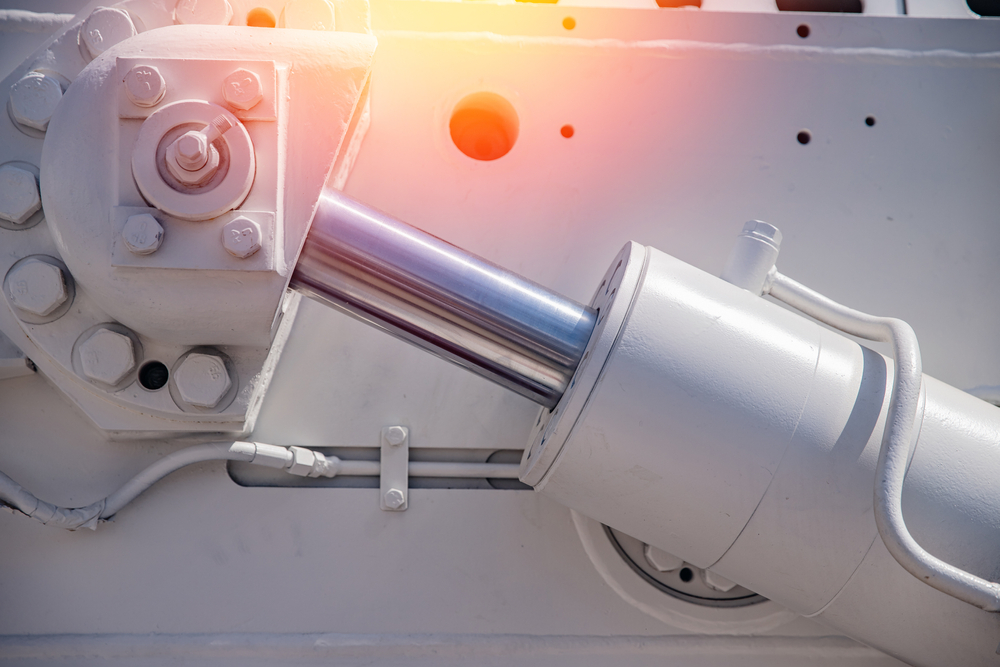
Repair Options and Practical Steps to Prevent Recurrence
Once you isolate the likely cause, the fix becomes clearer. If internal bypass is confirmed, the repair typically involves cylinder teardown, inspection, and seal replacement. If rod or barrel surfaces show wear that contributes to seal damage, those surfaces may need machining or restoration. If mounts show play and alignment issues, addressing pins and bushings is critical, since side-loading can shorten seal life and create repeat bypass issues.
Prevention focuses on the conditions that cause wear. Contamination control is a high priority, alongside heat management and proper alignment. Many repeat drift complaints stem directly from worn mounts or dirty oil.
Implement a practical prevention approach with routine checks:
Monitor oil condition and replace filters based on indicator status.
Keep rod surfaces clean so debris does not migrate into the gland.
Inspect pins, bushings, and brackets for play that causes misalignment.
Track temperature trends and investigate sudden increases.
Document cycle time changes that indicate bypass development.
These steps reduce the likelihood that drift returns shortly after repair.
Hydraulic Cylinder Support With C&L Cylinder and Machine
When drift threatens safety, part quality, or throughput, you need a controlled repair plan. This is especially true for a large hydraulic cylinder that is difficult to swap quickly.
C&L Cylinder and Machine repairs large equipment for balers, heavy machinery, and industrial presses. At our Lindale, Georgia, facility, we use in-house machining, welding, and dedicated disassembly setups built for oversized components. Our process-oriented approach helps teams confirm the root cause, restore critical surfaces, and return the hydraulic cylinder to stable performance.
If your equipment is drifting under load, contact C&L Cylinder and Machine to discuss your application. Reach out today to coordinate an evaluation and repair plan that protects your uptime.


