
How Humidity Affects Hydraulic Cylinder Seals: Prevention Strategies

High humidity is easy to ignore because it does not always create an immediate failure. Equipment can run for weeks while moisture silently accelerates corrosion, contaminates oil, and weakens the sealing interface that keeps hydraulics stable. In many industrial environments, humidity is not only a comfort issue. It is a reliability factor that influences seal life, leakage risk, and how quickly a cylinder shifts from “normal” to “needs attention.” Understanding how hydraulic cylinder seals are affected by moisture helps maintenance teams prevent repeat leak events and reduce unplanned downtime.
Humidity-related problems show up across recycling yards, waste operations, aggregate sites, and manufacturing plants, especially where equipment moves between indoor and outdoor conditions. The challenge is that moisture damage often begins as a surface issue, then becomes a system issue. The good news is that prevention is practical when your team knows what to watch for and how to adjust habits during humid months.
Why Humidity Creates Hydraulic Cylinder Seals Problems Even Without Visible Leaks
Humidity changes the environment around the cylinder. Moisture can settle on exposed rods, collect around glands, and build up on mounting hardware. You may not see a leak, yet the sealing interface is being stressed every time the rod cycles.
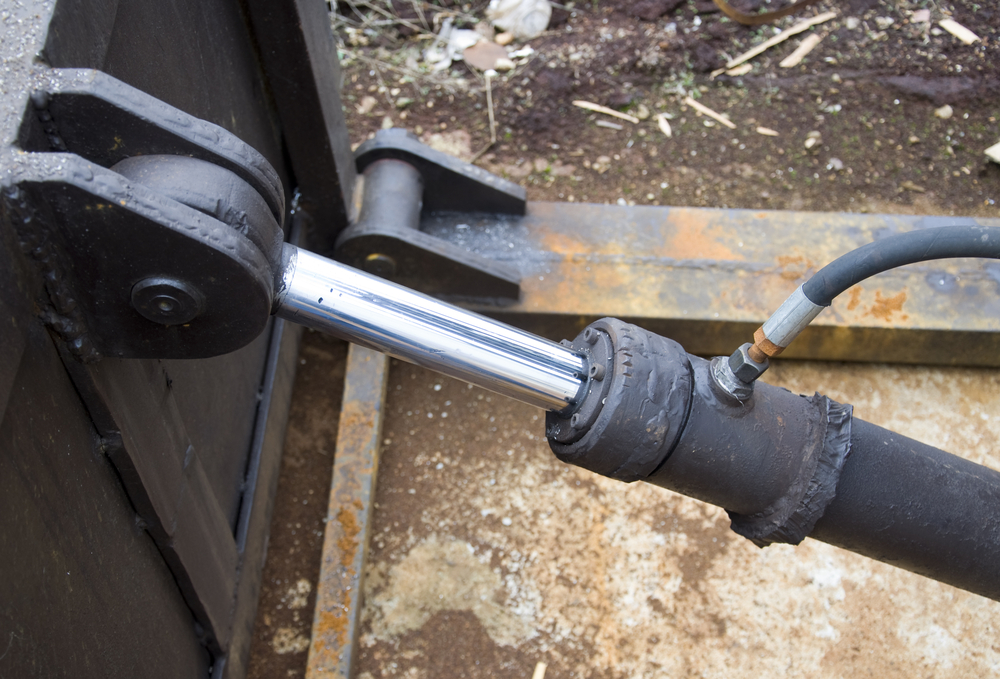
Humidity also increases corrosion risk. Rod pitting can begin as small surface spots that are hard to see, then grow into pits that cut seals during each stroke. Once pitting exists in the working area, seals can fail repeatedly even after replacement unless the rod surface is restored.
Moisture not only affects external surfaces. It can also enter the hydraulic system through breathers and service practices. Water in the oil reduces lubricity and can accelerate wear in valves and pumps, which can increase heat and leakage throughout the system.
Hydraulic Cylinder Seals Failure Patterns Linked To Moisture And Condensation
Moisture-driven seal issues tend to follow predictable patterns. Recognizing these patterns helps you prevent repeat failures and avoid misdiagnosing the problem as “bad seals” alone.
The first pattern is a wiper breakdown. Wipers can harden, crack, or wear unevenly when exposed to wet contamination. Once wiper performance drops, abrasive particles migrate into the gland. That accelerates rod seal wear and leads to visible leakage.
The second pattern is rod surface degradation. Corrosion spots and micro-pitting in the travel zone act like sandpaper. Even a good seal will wear quickly when it runs against rough surfaces. This is why a seal change sometimes fails again shortly after installation during humid seasons.
The third pattern involves oil condition. Water contamination can cause hazy oil, reduced additive performance, and increased risk of oxidation. This can contribute to valve stickiness and internal leakage, which may show up as drift under load. While drift is not always caused by moisture, humidity increases the likelihood that water enters the reservoir and accelerates wear across the circuit.
These patterns often overlap, which is why humidity problems can feel unpredictable. The solution is to address both external exposure and internal moisture management.
Inspection Checks That Catch Early Seal Damage And Rod Corrosion
Humidity-related issues are easier to control when you catch them early. Inspections should focus on rod surface condition, gland cleanliness, wiper state, and oil condition indicators.
Check oil condition signals during routine service. Look for hazy appearance, foaming, or changes in odor. Monitor filter loading patterns. If filters are clogging faster during humid periods, ingestion pathways may be allowing more contamination into the system.
Use a simple inspection checklist so findings are consistent across shifts and technicians.
Wipe rods and check for corrosion spots, pits, or surface roughness
Clean around glands and confirm wetness does not return quickly
Inspect wipers for cracking, tearing, or uneven wear
Watch for drift under load that appears during humid months
Note oil haze, foaming, or faster filter loading than normal
These checks are fast, but they provide the early signals that prevent repeated seal failures.
Prevention Strategies For Storage, Operation, And Fluid Management
Humidity prevention works best when you address exposure and ingestion. Start with storage practices. When equipment is parked for long periods, retract rods when possible to reduce exposure. If equipment sits outdoors, minimize direct rain and spray exposure. Covers can help, but only if they do not trap moisture against metal.
Fluid management is a key prevention lever. Maintain breathers and replace them when saturated or restricted. Keep reservoirs sealed during service. Use clean transfer equipment to avoid introducing water or dirt. If your operation sees frequent condensation, consider more frequent fluid condition checks to catch water before it causes broader wear.
A practical prevention plan for humid environments can include these actions.
Retract rods during storage and keep exposed surfaces clean
Avoid pressure washing directly at wipers and glands
Replace breathers and maintain sealed fill practices to reduce moisture entry
Track oil condition changes and respond to haze or milky appearance early
Address mounting corrosion and alignment issues before side-loading develops
These steps reduce moisture-driven corrosion and support longer seal life.
Get Support For Large Cylinder Seal Issues With C&L Cylinder and Machine
When humidity has progressed to rod pitting, recurring leakage, or repeated seal failures, the fix often requires more than replacing soft parts. C&L Cylinder and Machine repairs large hydraulic cylinders for balers, heavy equipment, and industrial presses in its Lindale, Georgia facility, using in-house machining, welding, and specialized disassembly and reassembly setups designed for oversized components. Their process-driven approach can help identify whether seal failure is being driven by rod surface condition, contamination, or alignment-related wear.
If your operation is seeing repeated seal issues during humid seasons, send us a message to discuss what you are experiencing and coordinate the next step.


