
Corrosion Prevention for Marine and Outdoor Hydraulic Equipment in Coastal Regions

Coastal environments are unforgiving. Salt spray, high humidity, and frequent wet-dry cycles create the perfect conditions for corrosion, especially on moving steel surfaces. For marine applications and outdoor systems near the coast, hydraulic equipment is exposed in ways that inland operations rarely experience. The result is predictable: rods pit, fittings seize, seals wear faster, and contamination risks increase as corrosion products enter the system.
Corrosion is not only a cosmetic problem. It can change surface finish, increase friction, and cut seals during each stroke. Once pitting begins on a rod, the damage often accelerates because seals cannot maintain a stable interface. This guide explains why coastal corrosion happens so fast, which components are most vulnerable, and practical routines that help protect cylinders and reduce downtime risk.
Why Coastal Corrosion Accelerates Wear In Hydraulic Equipment
Corrosion needs moisture and oxygen, and coastal regions provide both in abundance. Salt acts as an electrolyte that speeds electrochemical reactions. Even small amounts of salt residue left on rods and fasteners can draw moisture from the air, creating a persistent film that keeps the corrosion process active.
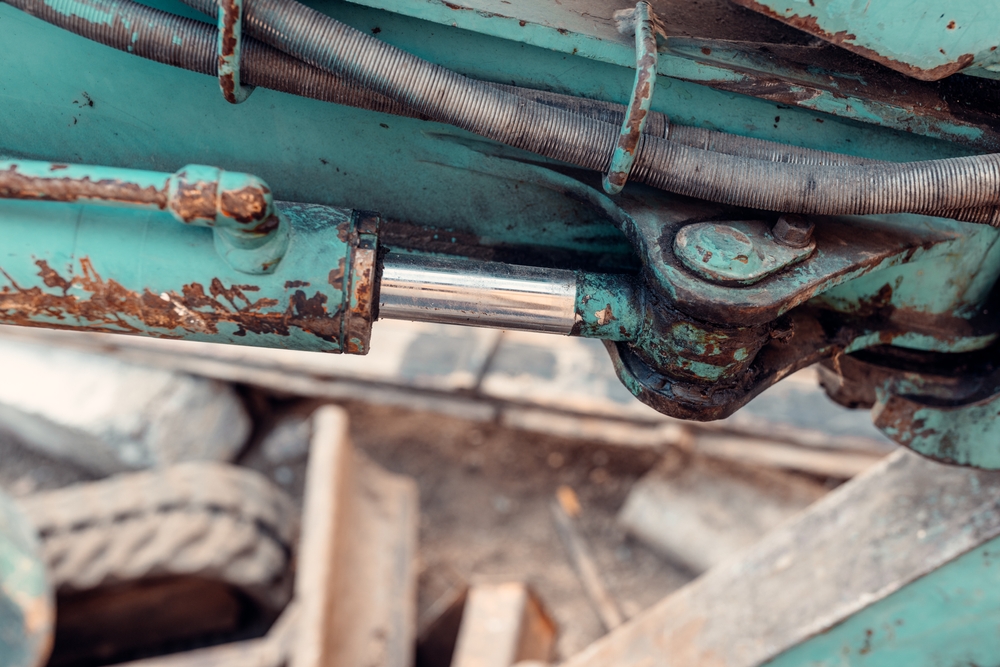
Wet-dry cycling makes it worse. Equipment may be exposed to spray or rain, then dry in sun or wind, leaving concentrated salt deposits behind. Those deposits sit on rods and around wipers, creating localized corrosion that turns into pits. Pits then become stress points that damage seals and increase leakage.
Temperature swings and sunlight add another factor. Thermal expansion and contraction can pump moisture into small gaps around fasteners, mounts, and protective boots. Over time, this can lead to seized components, mount wear, and alignment changes that introduce side-loading on cylinders.
Corrosion also affects fluid health. Rust particles and corrosion debris can migrate into the hydraulic circuit through damaged wipers or service points. Once inside, those particles contribute to abrasive wear across valves, pumps, and seals.
Hydraulic Equipment Components Most Vulnerable To Salt And Moisture
Not all components are equally exposed. Coastal corrosion tends to concentrate on areas that are wet, unpainted, or frequently handled during service.
Cylinder rods are a primary vulnerability because they are polished and exposed during extension. A rod that carries salt residue back into the wiper area increases the likelihood of contamination ingress and seal damage. Gland areas also collect residue because they trap moisture and debris.
Fittings and hose ends are another weak point. Salt and moisture can creep into threads and under protective covers. Over time, this can lead to seized fittings, seepage, and difficulty during maintenance. Mount pins and brackets also deserve attention. Corrosion at mounts can increase friction, create play, and change alignment, which increases side-loading.
Reservoir breathers and fill points are often overlooked. In coastal air, breathers can draw in moisture and salt-laden particles. This increases water contamination risk and can accelerate oil degradation.
A vulnerability review helps teams focus preventive effort where it matters most.
Cylinder rods and wiper interfaces are exposed during every cycle
Gland areas where residue collects and moisture persists
Hose ends, fittings, and threaded connections prone to seizure
Pins, bushings, and mounts that influence alignment and side-loading
Reservoir breathers and service points that can ingest moisture
Targeting these points improves results without adding unnecessary tasks.
Preventive Routines That Reduce Rust, Pitting, And Seal Damage
Coastal corrosion prevention is mostly about consistency. The most effective routines focus on cleaning, protection, and early detection.
Start with washdown and wipe practices. Salt residue must be removed, not just moved around. Rinsing with fresh water is helpful, but follow-up drying or wiping is what prevents residue from drying in place. Avoid blasting high-pressure water directly at wipers and seals, since that can drive moisture and debris into the gland.
Protective coatings can help, especially on exposed rods when equipment is parked. Use products compatible with your system and environment, and ensure they do not attract abrasive debris. Storage practices matter too. Reducing direct spray exposure, using covers where feasible, and parking with rods retracted can reduce corrosion risk.
Moisture control inside the system is equally important. Inspect breathers and replace them when saturated or restricted. Monitor fluid condition for signs of water, such as hazy appearance or milky color. Water contamination reduces lubricity and increases corrosion risk inside reservoirs and components.
A practical routine for coastal equipment can include these steps.
Rinse exposed metal with fresh water after salt exposure and dry key surfaces
Keep rods clean and retract cylinders during storage when possible
Inspect wipers for damage that allows salt and grit into the gland
Replace breathers and maintain sealed service practices to reduce moisture ingress
Track fluid condition changes and address water contamination early
These actions reduce the chance that corrosion becomes rod pitting that cuts seals and creates recurring leakage.
When Corrosion Signals It Is Time To Schedule Cylinder Service
Some corrosion can be managed with cleaning and protection. Other corrosion indicates that the cylinder needs repair work to prevent repeat failures.
Rod pitting in the working area is a key trigger. If pits are present where the rod passes through seals, seals will wear faster and leakage will recur. Scoring and roughness that can be felt with a fingernail also indicate that sealing surfaces are compromised.
Recurring leakage after cleaning is another escalation signal. If wetness returns quickly at the gland, it suggests the sealing interface has been damaged or contaminants have accelerated wear. Drift under load can appear as well, especially if internal sealing elements are affected by debris or corrosion products.
Mount and fastener corrosion can also justify service planning. If pins are seized, brackets are rusted, or alignment is affected, side-loading can shorten cylinder life quickly. Planned service is often less disruptive than waiting for a failure that occurs in the middle of a critical operation.
Get Coastal-Ready Cylinder Support With C&L Cylinder and Machine
When corrosion has progressed to rod pitting, seal damage, or mount-related alignment issues, cylinder repair often requires more than a seal swap. C&L Cylinder and Machine repairs large hydraulic cylinders for heavy equipment and industrial applications in their Lindale, Georgia facility, using in-house machining, welding, and specialized disassembly and reassembly setups built for oversized components. Their process-oriented approach supports restoration of critical surfaces and evaluation of wear patterns that corrosion can accelerate.
If your marine or outdoor equipment is showing pitting, recurring leakage, drift, or seized mount components, get in touch with C&L Cylinder and Machine to discuss your cylinder condition and the next practical step.


