
Hot Weather Hydraulic Equipment Challenges: Summer Maintenance Tips

Summer is a stress test for hydraulics. Higher ambient temperatures reduce the margin for error in lubrication, cooling, and sealing performance. Equipment may run longer hours during peak season, and that combination can turn small inefficiencies into visible problems. In hot weather, hydraulic equipment often shows symptoms such as rising operating temperature, slower response, increased leakage, and inconsistent motion. These symptoms are not always sudden failures. Many begin as gradual changes that maintenance teams can catch early with the right routines.
This guide explains how heat affects hydraulics, which failure patterns become more likely during summer, and practical maintenance steps that protect cylinders, valves, and fluid condition. The goal is to reduce downtime risk during the months when production schedules are tight and service windows are harder to find.
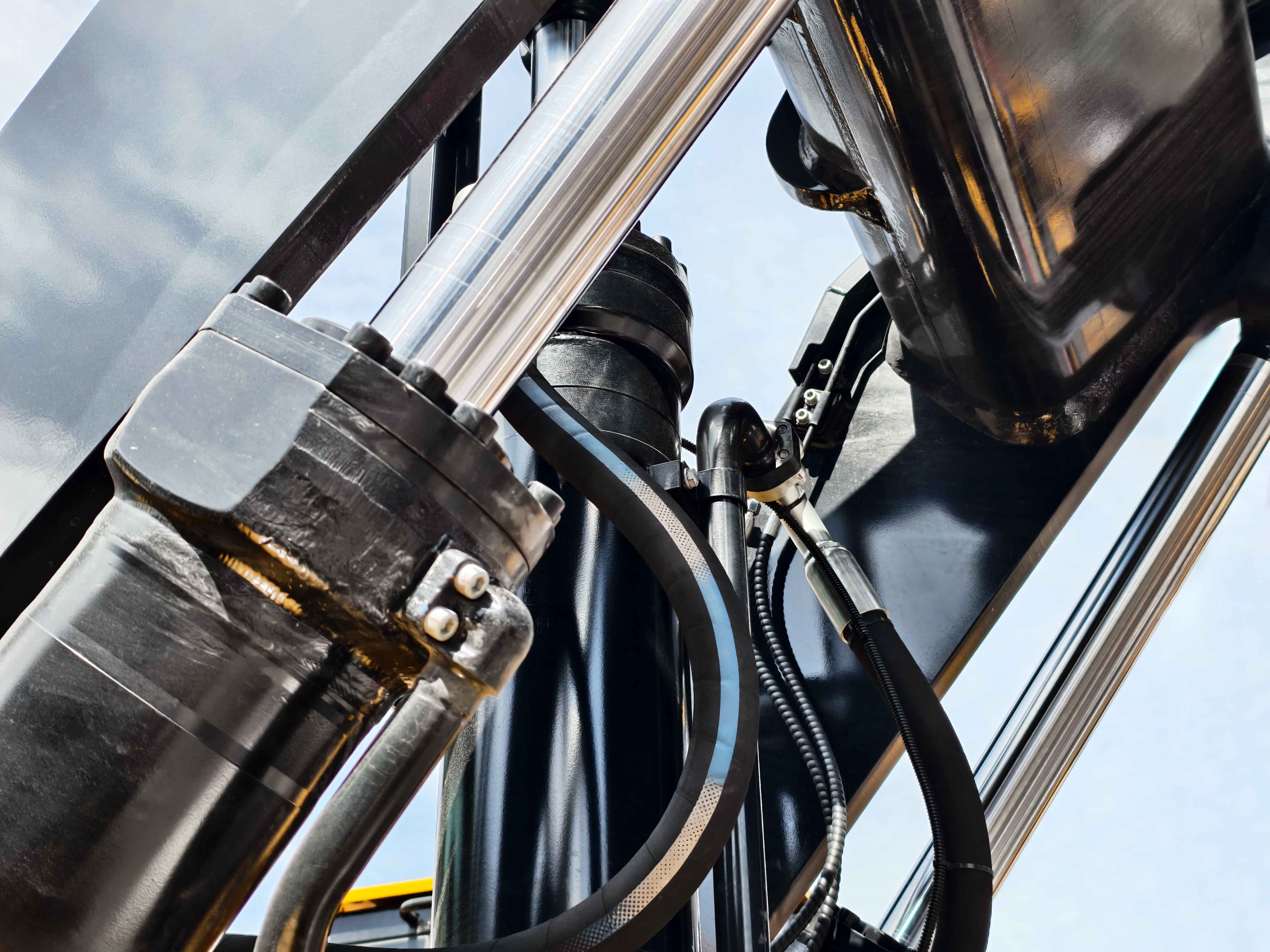
Why Summer Heat Changes Hydraulic Equipment Performance
Hydraulic systems rely on oil viscosity and lubricating film strength. As the temperature rises, the viscosity falls. That can reduce the thickness of the protective film between moving surfaces, increasing friction and wear. Lower viscosity can also increase internal leakage in pumps, valves, and cylinders, which can reduce performance and generate additional heat. This creates a loop: heat lowers viscosity, lower viscosity increases leakage, and leakage generates more heat.
Sealing elements are affected as well. Some seals become more prone to extrusion or wear when pressure and heat are both elevated, especially if surfaces are imperfect or if side-loading is present. Heat can also accelerate oxidation of oil, which reduces additive performance and leads to varnish formation. Varnish can contribute to sticky valve behavior and inconsistent response.
Summer also increases contamination pressure. Dust is often higher during dry conditions, and debris can collect around glands and breathers. If breathers are restricted, reservoirs can draw in contaminants through weak points. Heat then amplifies the damage by reducing lubricity and increasing wear rate.
Hydraulic Equipment Failure Patterns That Increase In Hot Weather
Heat tends to expose weaknesses that were tolerable in cooler months. Common summer patterns include higher leakage rates, faster filter loading, and a greater chance of aeration-related symptoms.
External leakage is often the first visible sign. A cylinder that had light residue in spring may begin to drip in summer. Lower viscosity makes it easier for oil to pass sealing surfaces, and heat can accelerate seal wear. If rod surfaces have minor scoring or corrosion marks, summer conditions can make those defects more damaging.
Internal leakage can also increase. This may show up as drift under load, longer cycle times, or reduced force. When internal bypass increases, the system generates more heat, and the temperature continues to climb. Valve leakage can behave similarly, reducing load holding capability and making control less precise.
Aeration is another warm-weather problem. Hot oil can release dissolved air more easily, and low fluid levels or suction line leaks can worsen the issue. Aeration can cause foaming, noisy operation, and inconsistent movement. In severe cases, it can contribute to micro-dieseling and faster oil degradation.
Use a symptom-based approach to spot heat-driven issues early.
Rising temperature trend during normal duty cycles
Increasing leakage at glands, ports, or hose ends
Slower response or inconsistent speed under similar load
Drift under load during hold or dwell periods
Foaming or noisy behavior that suggests aeration
These signs often appear together, and combinations should trigger prompt investigation.
Summer Inspection And Service Routines That Protect Cylinders And Valves
Summer maintenance should focus on three priorities: temperature control, cleanliness, and early leak detection. Start by tracking operating temperature under a consistent workload. If the system runs hotter than its normal baseline, treat it as a lead indicator. Investigate coolers, airflow, restrictions, and internal leakage sources.
Next, strengthen cleanliness routines. Dust control around rods and glands is important because abrasive particles can enter the gland and accelerate seal wear. Cleaning also makes it easier to see new leakage. Filter and breather checks become more important in hot weather because oil degradation and contamination ingress often increase.
Service routines should also include hose and fitting inspections. Higher temperatures can increase vibration and movement, and small seepage at a fitting can become a spray under pressure. Catching these issues early prevents fluid loss and contamination ingress.
A practical summer inspection routine can be executed without slowing operations.
Record typical operating temperature and investigate deviations
Inspect breathers and replace them when restricted or saturated
Monitor filter indicators and respond to faster-than-normal loading
Wipe rods and clean gland areas so leakage is visible quickly
Check hoses, clamps, and fittings for rub points and seepage
These checks reduce the likelihood of heat-driven failures and improve reliability during peak usage periods.
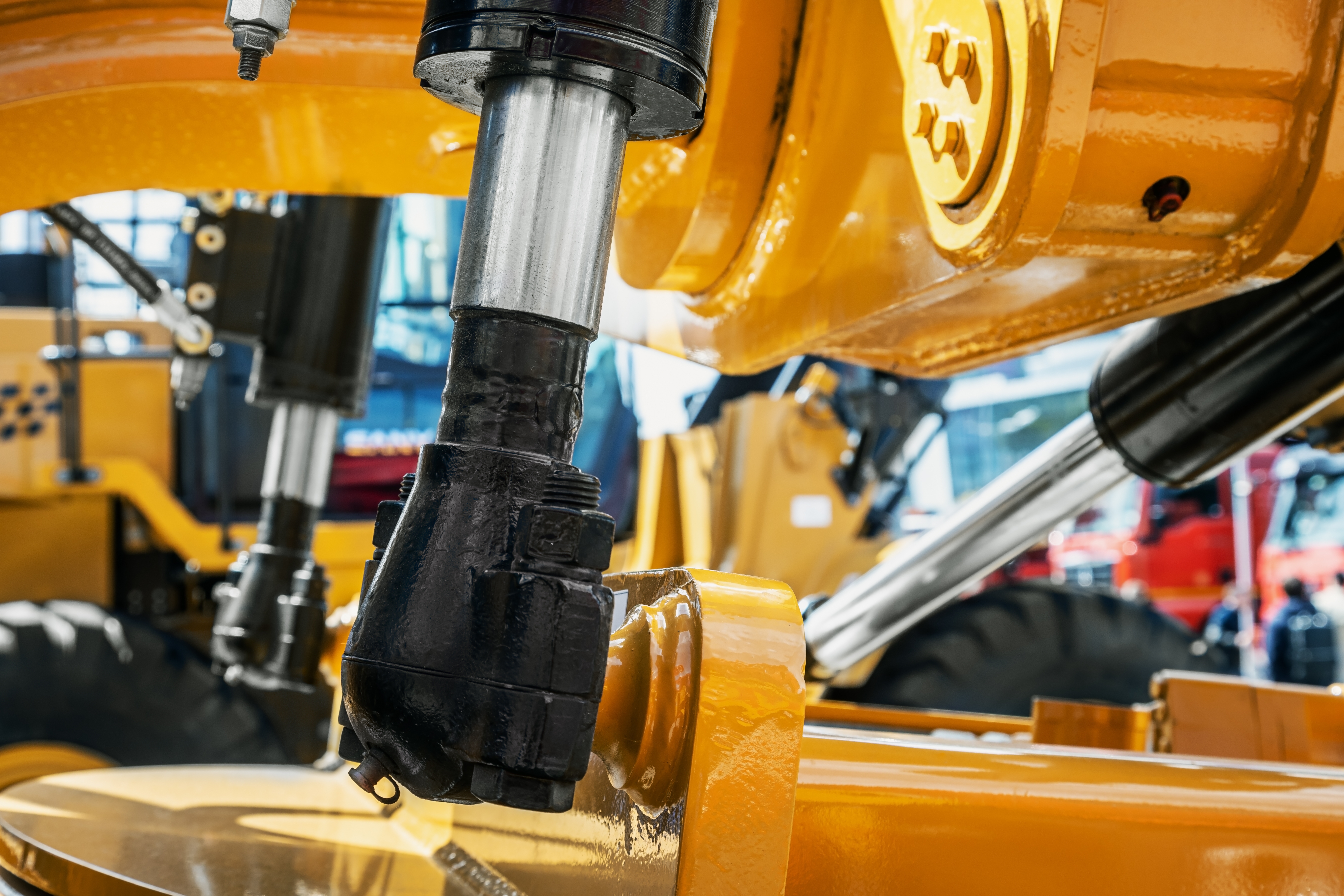
Operational Habits That Reduce Heat, Aeration, And Wear
Maintenance actions work best when paired with operator habits that reduce system stress. Encourage operators to avoid prolonged stall conditions and unnecessary high-pressure events. Stalling generates heat and accelerates oil breakdown. If equipment repeatedly hits end-of-stroke hard stops, adjust technique or cushioning where applicable to reduce impact.
Fluid level management is another critical habit. Low oil levels increase the chance of air ingestion and reduce cooling capacity. Aeration issues are easier to prevent than to diagnose after the fact. Encourage consistent checks, especially on high-use machines.
Finally, consider scheduling practices during extreme heat. If possible, avoid running the most heat-sensitive equipment at maximum duty during the hottest part of the day. Even small adjustments can reduce temperature peaks and improve stability.
A small set of operating habits can make a measurable difference.
Avoid prolonged stalling and unnecessary pressure spikes
Keep fluid level within specification to reduce air ingestion
Allow cooling time during extreme duty cycles when feasible
Report new noise, drift, or speed changes quickly rather than ignoring them
Keep external surfaces near coolers and reservoirs free of debris buildup
These habits help reduce heat load and support longer component life.
Plan Your Summer Cylinder Support With C&L Cylinder and Machine
When summer conditions expose a cylinder problem, the best outcome is a planned repair path rather than an emergency shutdown. C&L Cylinder and Machine repairs large hydraulic cylinders for balers, heavy equipment, and industrial presses in its Lindale, Georgia, facility, with in-house machining, welding, and specialized disassembly and reassembly setups designed for oversized components. Their process-oriented approach supports evaluation of sealing surfaces, rod condition, and wear patterns that often worsen under hot-weather operation.
If your operation is seeing temperature rise, leakage growth, drift under load, or repeated seal issues during summer, contact C&L Cylinder and Machine to discuss what you are experiencing and plan the next step.


