
Contaminated Hydraulic Fluid: How It Destroys Your Cylinders and What to Do About It

Hydraulics can tolerate hard work, but they cannot tolerate dirty oil for long. Contamination is one of the most common causes of premature cylinder wear across scrap yards, recycling facilities, aggregate sites, heavy equipment fleets, and manufacturing plants. Once grit, moisture, or air begins circulating, every component becomes a target. A hydraulic fluid problem often shows up first as a cylinder symptom, such as leakage growth, drift under load, slower motion, or heat rise. The risk is that many teams treat the symptom while the root cause remains in the system.
This article explains how fluid contamination damages cylinders, what signs to watch for, and practical steps to restore cleanliness. Here’s how to reduce avoidable wear and extend service life with repeatable habits.
Why Fluid Cleanliness Is the Fastest Path to Cylinder Reliability
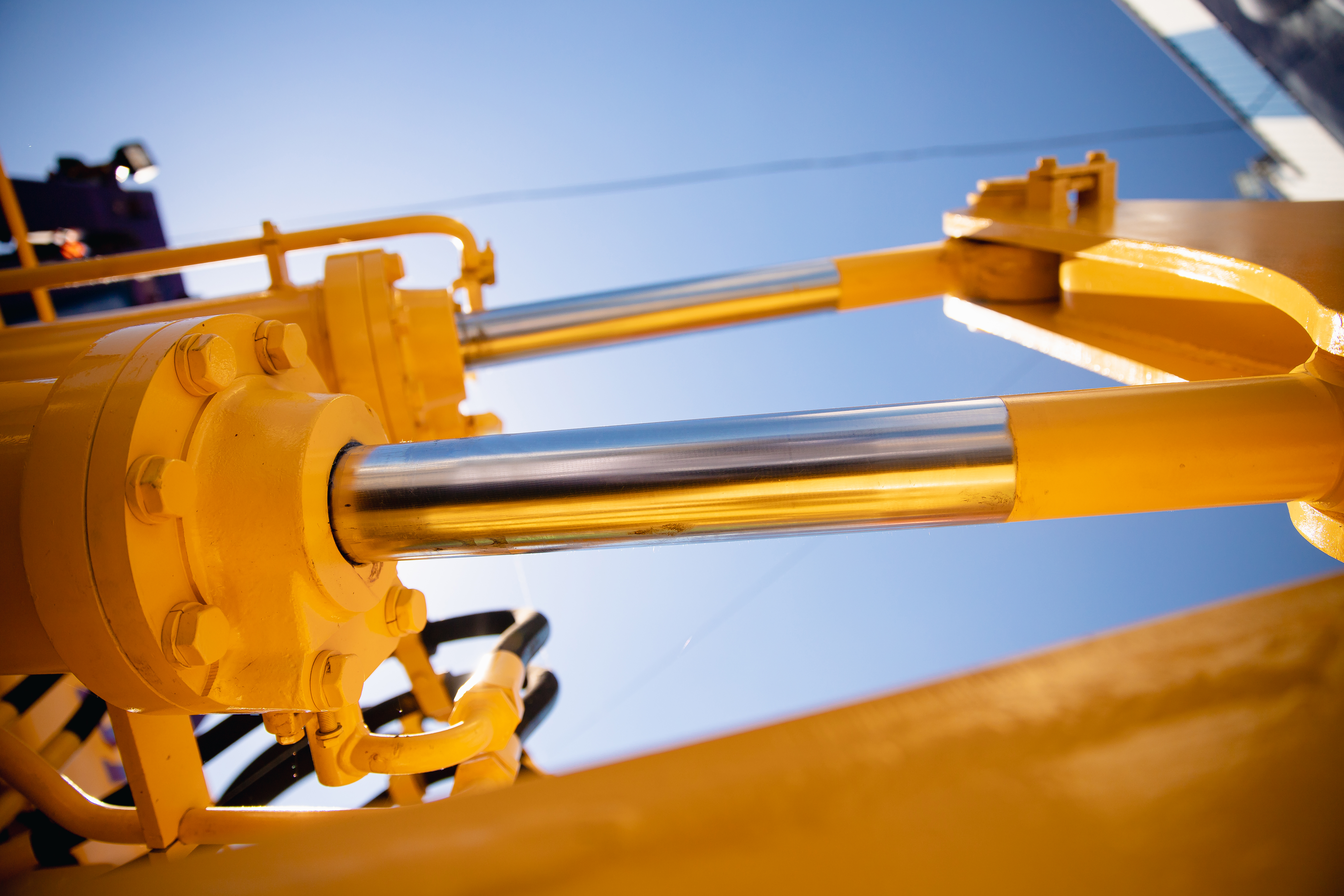
A cylinder’s seals and wear bands rely on a thin film of clean oil to lubricate sliding surfaces. When the oil carries abrasive particles, that film becomes a grinding paste. Seals wear faster, wear bands degrade, and the rod and barrel surfaces can become scored. Even small particle loads can accelerate wear over time, especially in high-cycle machines such as balers and presses.
Clean oil also supports consistent control. Valves depend on tight clearances, and contamination can cause sticky spools, internal leakage, and unpredictable response. Those issues often get blamed on the cylinder because the cylinder is where movement is visible. In reality, a dirty system can drive failures across multiple components at once.
Fluid cleanliness is powerful because it is a multiplier. Improving it not only protects one cylinder. It reduces wear across pumps, valves, hoses, and other actuators, lowering heat generation and improving overall reliability.
How Contaminated Hydraulic Fluid Damages Seals, Rods, and Valves
Contamination typically comes in three forms: solids, water, and air. Each causes a different type of damage, and they can compound.
Solid contamination is the most destructive for cylinders. Dust, metal particles, and debris enter through breathers, service ports, worn wipers, or dirty handling practices. Once inside, particles pass through the gland and across sealing surfaces. This accelerates external leakage and can create an internal bypass at the piston seal. Solids also scratch rods and barrels, turning a seal job into a deeper rebuild.
Water contamination creates corrosion and changes lubrication behavior. Moisture can enter through condensation, washdowns, open reservoirs, or compromised breathers. Water leads to corrosion pits on rods and in reservoirs. Pitting then tears seals during each stroke. Water can also contribute to additive depletion and reduced lubricity, which increases friction and heat.
Air contamination, often called aeration, affects control and can contribute to heat. Air can enter through suction leaks, low fluid levels, loose fittings, or poor return line management. Aerated oil can cause spongy motion, inconsistent speed, and noisy operation. In severe cases, micro-dieseling can occur, accelerating the degradation of oil and components.
Contamination also affects valves and pumps, which then affects cylinders indirectly. A worn valve can leak internally, causing drift under load. A struggling pump can run hot, reducing viscosity and worsening leakage. This is why a contamination event often looks like multiple failures at the same time.
Warning Signs and Simple Checks Hydraulic Fluid Maintenance Teams Can Use
The earlier you identify contamination, the easier it is to control. Many warning signs are visible without specialized equipment, although oil analysis is valuable when available.
Look for changes in system behavior: heat rise, slower cycle time, drift under load, or inconsistent movement. Also, pay attention to leakage patterns. If seals fail repeatedly, contamination or rod surface damage may be driving the problem.
On the fluid side, foaming can indicate air. A milky appearance can indicate water. Darkening and burnt odor can suggest heat and oxidation. Filter indicators provide another clue. If filters load faster than normal, something is generating or ingesting debris.
Documentation matters. If you track temperature, filter change timing, and recurring symptoms, you can spot trends before they become a shutdown event.
What to Look for in a Hydraulic Cylinder Repair Shop
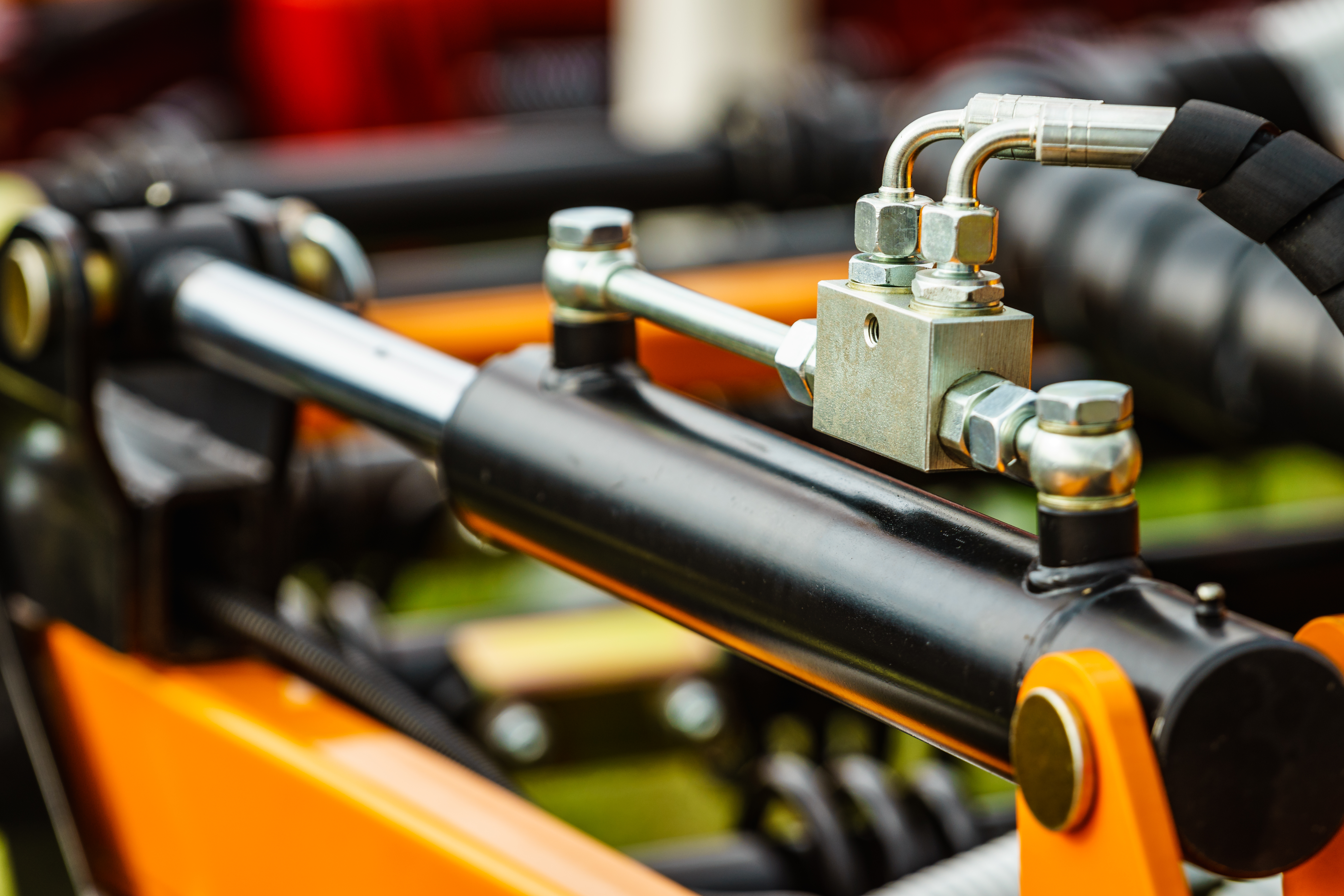
When a cylinder has already been damaged by contamination, who you send it to matters. A repair shop's internal practices directly affect the condition your cylinder returns in. Contamination introduced during repair can undo the restoration work before the cylinder even returns to your floor.
A qualified repair shop should maintain a clean testing environment. Testing a freshly rebuilt cylinder in a dirty or poorly maintained test area can introduce new particles into the seals and internal passages. That is a problem that shows up later as premature failure, and it is difficult to trace back to the source.
Filtration system quality is another important factor. A shop's test stand should use properly rated filtration and keep those filters regularly serviced. An unmaintained filtration system circulates dirty fluid through a repaired cylinder during final testing. That defeats the purpose of the rebuild. Ask the shop how they manage their test stand filtration, and how often they inspect and replace filters.
Protect Large Cylinders With the Right Repair Partner
If contamination has already damaged sealing surfaces or caused internal bypass, a cylinder may need repair beyond seal replacement. C&L Cylinder and Machine repairs large hydraulic cylinders for balers, heavy equipment, and industrial presses in our Lindale, Georgia facility, with in-house machining, welding, and specialized disassembly and reassembly setups designed for oversized components. Our process-driven approach supports evaluation of rod and barrel condition and restoration work when contamination has accelerated wear.
Our testing environment is held to the same high standard as our repair process. We maintain our filtration system on a regular schedule, ensuring the fluid used during final testing is clean and uncontaminated. Every cylinder that leaves our shop has been tested under strict conditions to ensure it performs reliably from the moment it's put back into service.
If your operation is seeing recurring leaks, drift, or repeated seal failures that point to a fluid cleanliness issue, contact C&L Cylinder and Machine to discuss your cylinder condition and the most practical next step. Call us at 706-252-1271 to coordinate an evaluation and repair plan that helps you get back to stable performance.


