
How Often Should You Inspect Hydraulic Cylinders in Baler Equipment? A Maintenance Manager's Guide
- C&L Cylinder and Machine

- Jan 23
- 4 min read
Hydraulic cylinders are the muscle behind compacting force, gate movement, and ejection cycles. In baler equipment, that muscle works under shock loads, contamination exposure, and nonstop repetition. Small issues can escalate fast, turning a minor seal problem into downtime, damaged components, or a safety incident. A practical inspection schedule keeps production steady and helps you plan service before a failure chooses the timing for you.
Inspection frequency is not a one-size-fits-all. The right cadence depends on operating hours, material stream, cycle rate, environment, and how critical the baler is to your operation. The goal is simple: catch early indicators, document trendlines, and know when a quick adjustment is enough versus when a deeper evaluation is the smarter move.
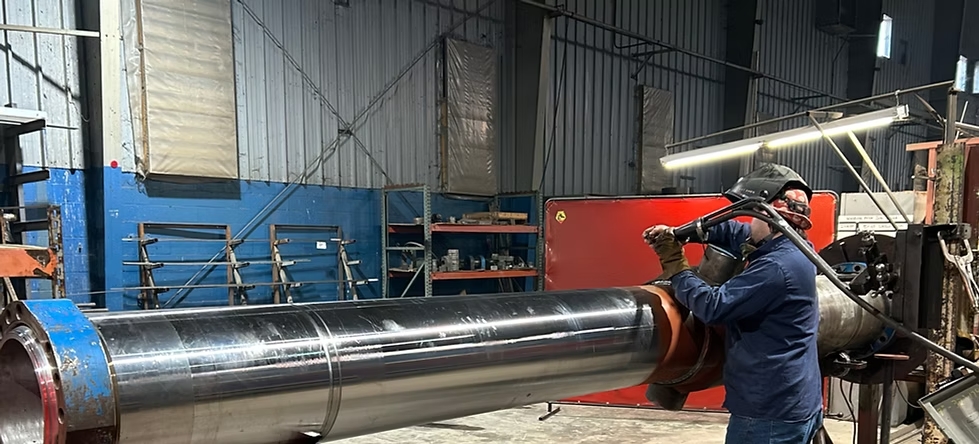
Why inspection cadence matters for uptime and safety
A baler cylinder rarely fails without warning. Most breakdowns start as subtle changes: increased oil film, slower travel, drift under load, new vibration, or rising hydraulic temperatures. Frequent checks help you spot those signals while they are still manageable.
Consistent monitoring also protects more than the cylinder. Rod damage can chew through wipers and seals, which can introduce debris into the fluid. Contaminated oil can then affect valves, pumps, and other actuators. A disciplined routine helps isolate issues early, reducing collateral wear and surprise stoppages.
A final reason is safety. Balers store energy in hydraulics and structure. Uncontrolled movement from internal bypass, valve issues, or mounting looseness can create pinch hazards. A schedule that includes visual checks and functional tests supports safer lockout planning and more predictable behavior during operation.
Inspection intervals for baler equipment: daily, weekly, monthly, and quarterly
Think in layers. Short checks find obvious problems. Deeper reviews confirm performance and catch slow-moving wear.
Daily or per shift: quick observation and housekeeping
These checks take minutes and reduce the risk of running a machine in a degraded state.
Scan for fresh seepage at the gland, ports, and hose ends.
Look for rod surface film, scoring, pitting, or sticky residue.
Listen for new chatter, knock, or squeal during extension and retraction.
Confirm pins, retainers, and mounting hardware appear secure and aligned.
Note unusual cycle time changes or inconsistent end-of-stroke behavior.
Weekly: focused review with simple measurements
Set a consistent day so patterns are easier to recognize.
Wipe the rod clean and recheck after a small number of cycles to confirm the leak rate.
Check hose routing for rub points, tight bends, and clamp fatigue.
Inspect end connections for ovaling, cracked welds, or fretting marks.
Verify filters and breathers are not saturated or damaged.
Review fluid level and look for foaming, darkening, or burnt odor.
Monthly: performance validation
Monthly checks support planning and prevent “it felt slower” ambiguity.
Track cycle time under a similar load and record any drift from baseline.
Compare the operating temperature at a similar duty to prior logs.
Check for cylinder drift under load, which can hint at internal bypass.
Evaluate alignment between the cylinder and load path to reduce side-loading.
Quarterly or semiannual: deeper condition assessment
Frequency here depends on intensity. High-cycle, abrasive streams often need the shorter end of the range.
Pull samples for fluid analysis if your program supports it.
Inspect mounting interfaces more thoroughly for elongation and wear.
Evaluate whether seal replacement windows should be adjusted based on trend data.
Review incident logs for recurring issues tied to a specific cylinder position.
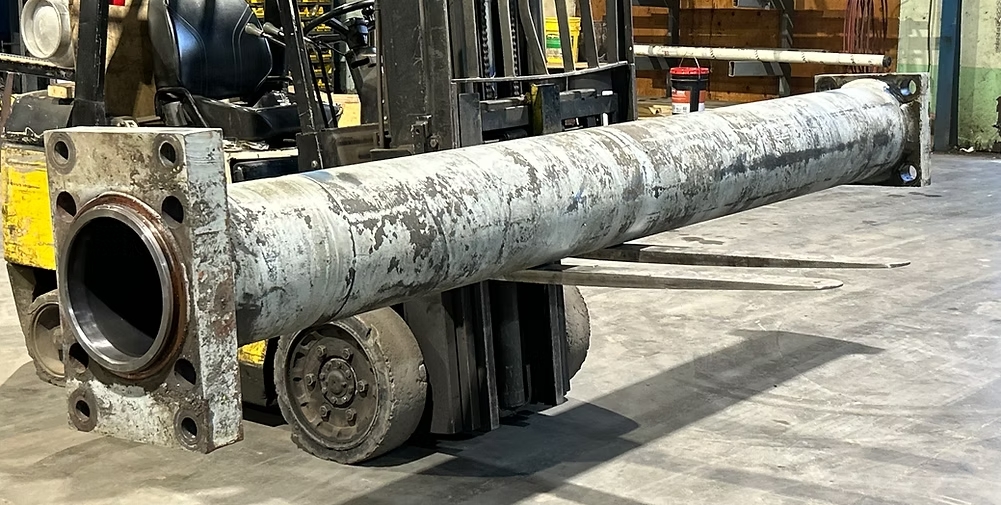
When findings should trigger teardown-level evaluation
Some findings call for more than monitoring. The key is to decide early, before a small defect becomes a major rebuild.
Escalate when leakage is measurable and worsening, not just occasional dampness. A cylinder that leaves pooled oil, requires frequent top-offs, or shows oil spray under pressure needs prompt attention. Rod scoring or pitting that you can feel with a fingernail is another red flag, since seals will not survive long against damaged surfaces.
Uncommanded drift under load is also significant. It can suggest internal bypass across piston seals or valve leakage. A drift test with a documented method helps identify a developing internal issue before it turns into cycle instability or a hazardous condition.
Use documentation to support the decision. A simple log can reveal trendlines and justify planned downtime.
Record date, machine hours, cylinder position, and observed symptoms.
Track cycle time under a consistent operating scenario.
Note fluid condition indicators and any filter changes.
Capture photos of the rod surface, gland area, and mounting points.
List any recent events such as jams, shock loads, or hose replacements.
If two or more indicators move in the wrong direction at the same time, schedule a deeper evaluation. Planned service is almost always less disruptive than an emergency stoppage in the middle of a production run.
Plan the next repair window with C&L Cylinder and Machine
When inspections point to a cylinder that needs re-sealing or even a full rebuild, the next step is choosing a service partner that can handle the size, weight, and complexity of large baler cylinders without guesswork. If your operation runs Harris American balers or similarly demanding systems, a process-driven shop that is accustomed to large cylinders can help you plan service windows, reduce repeat issues, and support flexible pickup and delivery options within driving distance.
C&L Cylinder and Machine specializes in large hydraulic cylinder repair for balers and heavy industrial applications, with all work performed in our Lindale, Georgia facility using heavy lathes, mills, welding capability, and dedicated disassembly and assembly setups built for oversized units.
Want to discuss what your inspection results mean and what a realistic next step looks like? Let’s connect to review your cylinder condition and repair options.


