
How Preventive Maintenance Extends Hydraulic Cylinder Life in Waste Management Operations

Waste management operations run on motion. Pack, lift, tip, compact, eject, repeat. When one actuator loses strength or starts leaking, the impact travels beyond a single truck or line. A hydraulic cylinder sits at the center of many of these high-force cycles, yet it often receives attention only after performance drops or a leak becomes obvious. Preventive maintenance changes that pattern. It shifts cylinder care from reaction to control, extending service life and reducing the kind of downtime that disrupts routes and facility flow.
This article focuses on practical actions that maintenance managers and operations leaders can apply across fleets and plants. The intent is not to build a perfect program on paper. It is to implement a routine that fits real schedules, protects equipment, and creates predictable service windows.
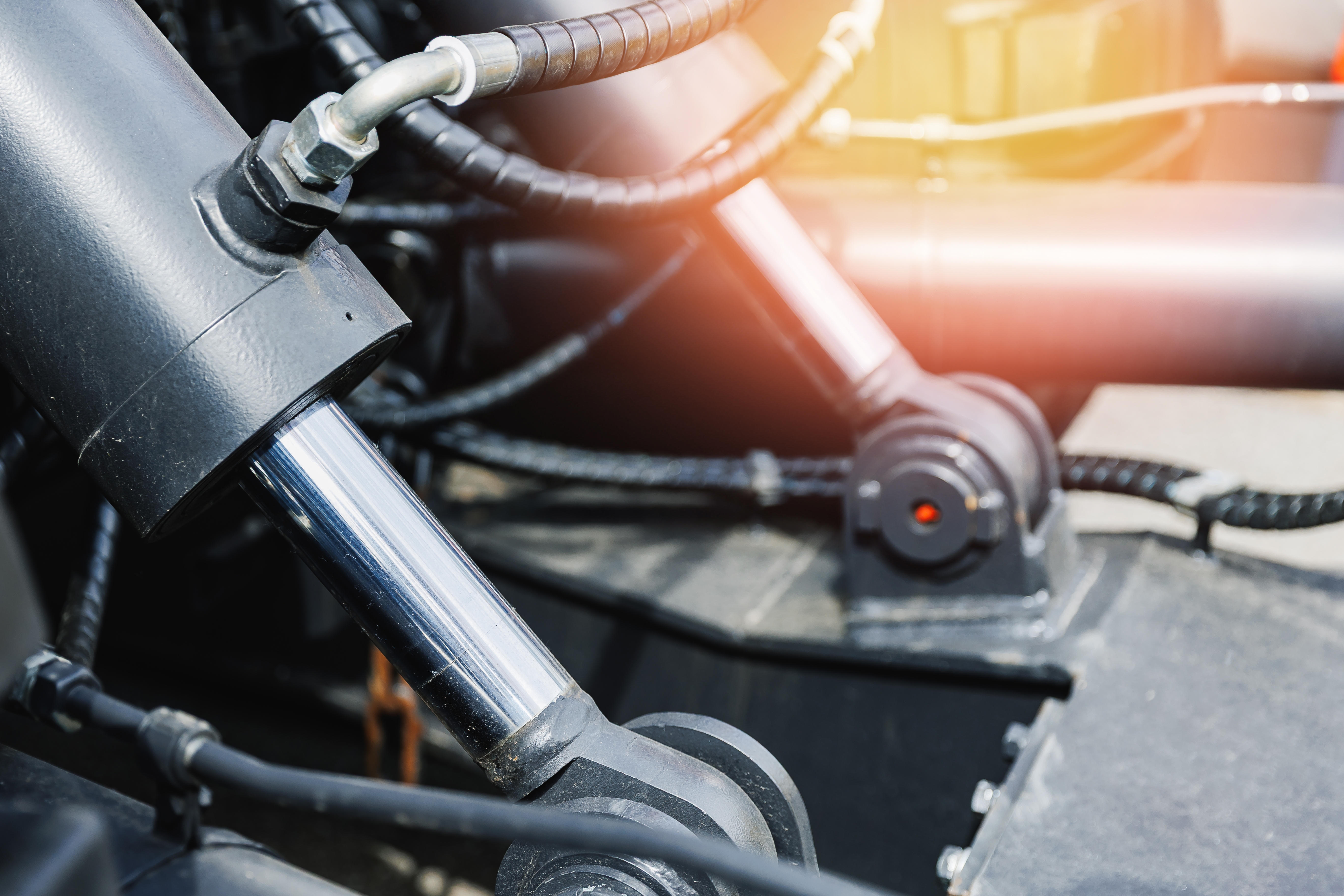
Why Waste Operations are Harder on Cylinders Than Most Environments
Waste settings are demanding because they combine contamination, shock loading, and nonstop cycling. Fluid leaks attract grit. Dust and debris can pack around glands and wipers. Moisture and corrosive liquids can accelerate surface damage on rods and pins. When the wiper cannot keep contaminants out, seals wear faster, and the hydraulic circuit can carry debris to valves and pumps.
Operating patterns add strain. Compaction cycles involve abrupt pressure changes. Arms and packers can hit uneven loads. Trucks and stationary compactors may experience misalignment from repeated impacts, creating side-loading that accelerates bushing wear and rod scoring.
Another factor is time pressure. When a route is behind schedule or a facility is pushing throughput, equipment tends to run hotter and longer. Heat breaks down oil and hardens sealing elements. Preventive care offsets these stressors with early detection and consistent housekeeping.
Preventive Maintenance for a Hydraulic Cylinder: What Actually Moves The Needle
The most effective preventive steps are straightforward. They focus on keeping contamination out, maintaining proper lubrication and alignment, and catching early symptoms before they cascade.
Start with visual inspection habits and simple cleaning. A wiped rod tells you more than a dirty rod. Cleaning also protects wipers and reduces the chance that abrasive material gets pulled into the gland with each stroke.
Next, treat fluid condition as part of cylinder maintenance. Many cylinder failures accelerate when oil is dirty, aerated, or overheated. Filter changes, breather checks, and leak repair all influence how long seals and wear bands last.
Use a short list of “high value” checks that can be applied consistently across assets.
Wipe and inspect rod surfaces for scoring, pits, or corrosion marks
Look for wetness returning quickly at the gland, ports, or hose ends
Check mounts, pins, and retainers for play, ovaling, or fretting
Track cycle behavior for hesitation, drift, or slower travel under load
Monitor operating temperature and investigate sudden increases
These steps are simple, but their strength is consistency. A small change recorded early often prevents a major repair later.
Inspection and Service Intervals That Fit Real-World Routes and Plant Schedules
A preventive program must match the operating cadence. Overly complex schedules fail because they cannot be executed. Build your intervals around daily use, weekly windows, and planned outages.
Daily checks work well for trucks and high-cycle compactors. A quick scan for fresh leaks, rod condition, and unusual noise can be done during pre-shift walkarounds. Weekly routines are a better fit for more detailed checks such as hose routing, mount inspection, and cleaning around the gland.
Monthly assessments can introduce light measurement and documentation. Cycle time, drift observations, and temperature tracking create baselines. Once you have baselines, it is easier to spot a deviation that indicates internal bypass or increasing friction.
Plan a deeper review quarterly or semiannually, depending on duty and environment. At that interval, focus on fluid health, filtration performance, and wear patterns at mounts. If you operate multiple sites, standardize the checklist to make performance comparison easier.
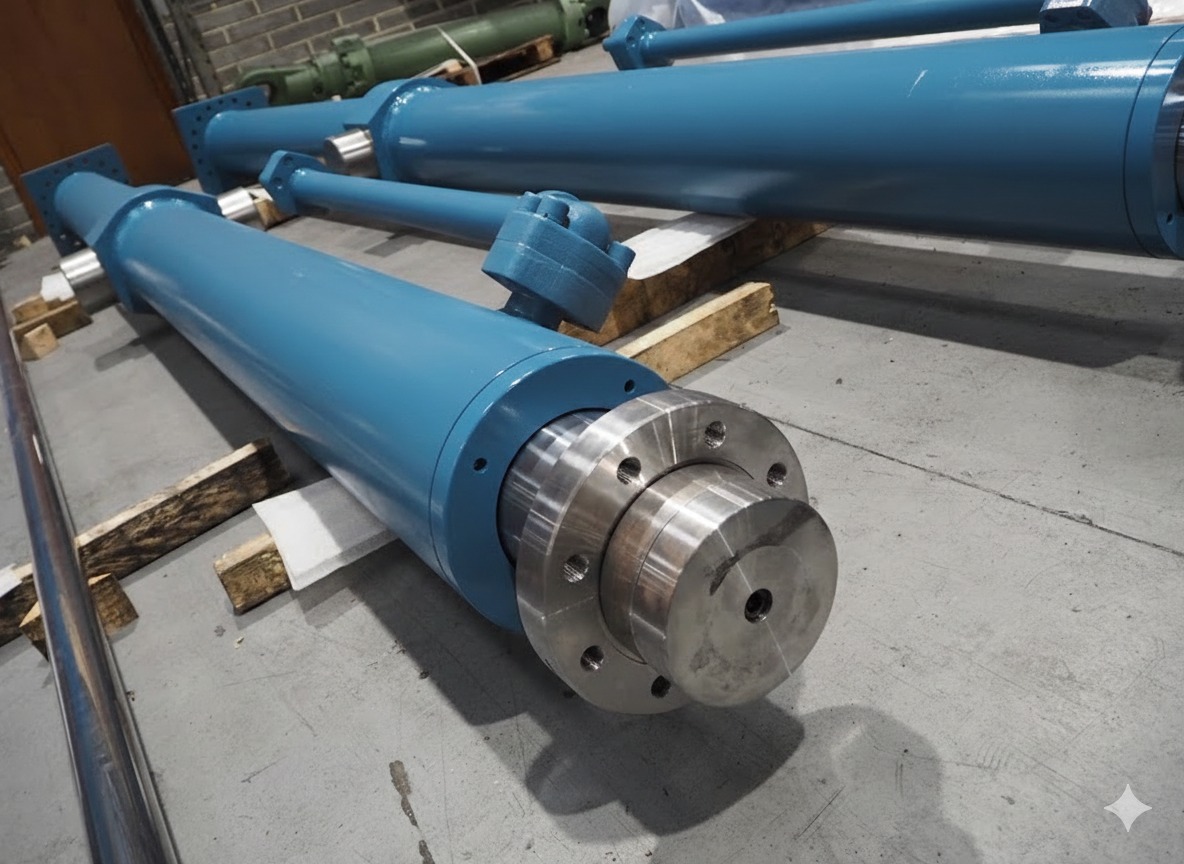
The Most Common Preventable Failure Modes and How to Reduce Them
Most premature cylinder problems in waste operations fall into a few categories. Preventive maintenance helps reduce each one through targeted habits.
Contamination ingress is the top driver. Dust and grit wear seals and can score rods. Cleaning and wiper condition matter. So does avoiding pressure washing directly at seals, which can drive water and debris into the gland.
Side-loading is another major contributor. Misaligned mounts and worn pins push the rod against surfaces unevenly. That accelerates bushing wear and can produce scoring. Regular mount inspection and timely bushing replacement help maintain alignment.
Heat and aeration also shorten life. Overheated oil reduces lubrication and accelerates seal degradation. Aerated fluid can cause spongy motion and micro-dieseling that damages components. Checking suction lines, fluid levels, and breathers helps reduce air entry.
A useful escalation checklist helps teams decide when to keep monitoring versus when to schedule immediate service.
Leak rate increases, or pooling appears, under normal operation
Rod damage is visible or can be felt with a fingernail
Drift under load becomes noticeable or worsens over days
Motion becomes jerky, inconsistent, or noisy during extension or retraction
Oil shows foaming, burnt odor, or abnormal darkening
When two of these signs appear together, a planned service window is usually the smarter call.
Keep Cylinders Reliable with Support From C&L Cylinder and Machine
Waste operations need partners who understand large, heavy cylinders and the urgency that comes with equipment downtime. C&L Cylinder and Machine repairs and manufactures large hydraulic cylinders used in balers, heavy equipment, and industrial presses in our 50,000 square foot facility in Lindale, Georgia. Our in-house machining, welding, and assembly capability is designed for oversized units, which helps maintenance teams address wear, sealing issues, and surface damage with a process-oriented approach.
If your preventive program is identifying cylinders that are trending toward failure, you do not have to wait for a breakdown to take action. Contact C&L Cylinder to discuss your cylinder condition, turnaround needs, and the most practical next step for your operation.


