
Scrap Metal Baler for Hydraulic Cylinder Maintenance: Best Practices for Maximum Uptime
- C&L Cylinder and Machine
- Mar 9
- 4 min read
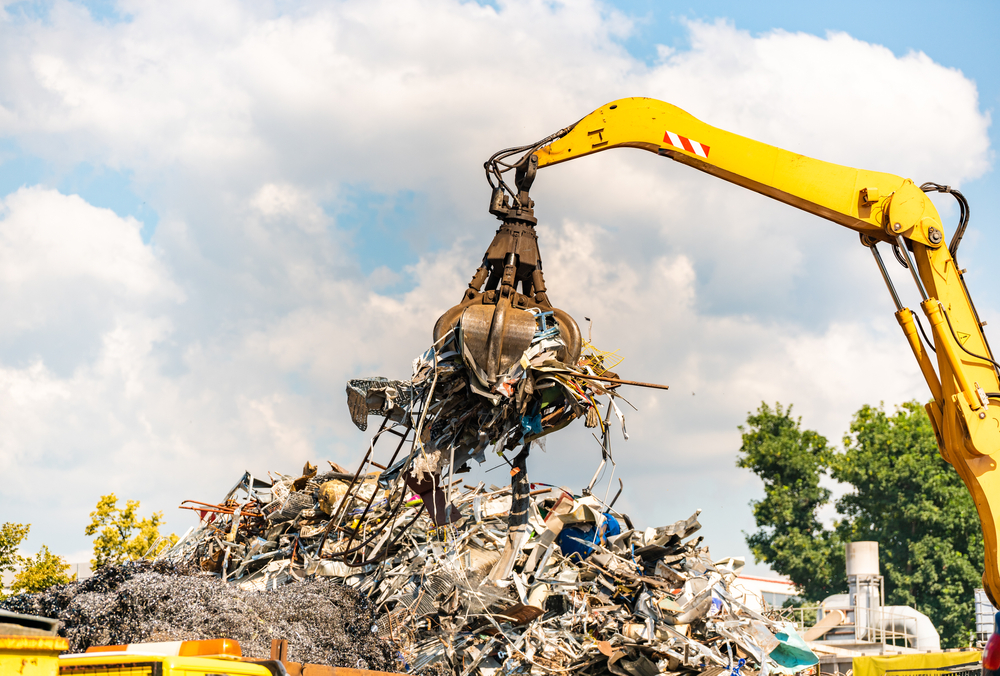
A scrap metal baler is only as reliable as the hydraulic components that drive compression, door control, and ejection. In scrap yards, downtime rarely stays contained to one machine. It impacts inbound flow, staging, trucking schedules, and labor allocation. For maintenance managers and operations leaders, cylinder care is one of the most controllable levers for keeping uptime high and costs predictable.
The best maintenance programs are not complicated. They are consistent, documented, and designed for the real environment: abrasive debris, variable loads, frequent cycling, and pressure spikes. This guide outlines best practices that help extend cylinder service life, catch issues early, and avoid the expensive pattern of emergency repairs.
Why Baler Cylinder Maintenance Drives Uptime
Balers impose demands that accelerate wear when conditions are not controlled. Contaminants cling to rods, pack around wipers, and migrate into sealing surfaces. Load variation can introduce side-loading, especially when material is uneven or jams occur. Heat also builds quickly during long runs, and high temperature shortens seal life and reduces oil lubrication.
A cylinder rarely fails without warning. Most problems begin as subtle changes: a growing oil film, a slower stroke, drift under load, or vibration near end-of-travel. Maintenance teams that treat these as early signals, rather than annoyances, can plan service windows instead of absorbing unplanned stoppages.
Consistency matters because it creates baselines. When you know what “normal” looks like, you can spot deviations early and act before the cylinder damages other parts of the hydraulic circuit.
Best Practices For Scrap Metal Baler Cylinder Inspections
A reliable inspection routine starts with simple, repeatable steps. Focus on the rod, gland area, ports, hoses, and mounting points. These locations reveal most developing issues.
Rod condition comes first. A clean rod surface exposes scoring, pitting, and corrosion marks that will destroy seals quickly. The gland area tells you whether leakage is active and worsening. Ports and hoses show stress, rub points, and seepage that can become spray under pressure. Mounts reveal misalignment, pin wear, or bracket issues that create side load.
Daily walkarounds are valuable when they are specific. Weekly checks should add detail and documentation. Monthly reviews should validate performance through simple measurements and observation of trend.
Use a checklist that makes inspections consistent across shifts.
Wipe the rod and check for scratches, pits, or discoloration
Clean around the gland and see if wetness returns after a short run
Look for loosened fittings, hose twist, or chafing at clamps and guards
Inspect pins and retainers for movement, ovaling, or fretting marks
Listen for new chatter, knock, or hesitation during extension and retraction
Documentation turns inspection into a tool for decision-making. Photos and short notes reduce debate later, especially when multiple supervisors rotate through the same equipment.
Fluid Cleanliness, Heat Control, And Seal Life
Oil health directly affects cylinder longevity. Dirty fluid accelerates wear on seals, wear bands, and valves. Aeration can cause spongy motion and inconsistent force. Overheating reduces viscosity and increases friction, which adds more heat and speeds degradation.
Filtration is central, but it must be paired with practical housekeeping. Breathers, filter indicators, and return line filters need attention, and fluid levels should stay within spec to reduce the chance of air entry. Leak repair supports cleanliness because leaks pull in contaminants and allow moisture intrusion, even when the leak looks minor.
Heat management is another major lever. If your system runs hotter than its established baseline, treat it as a symptom. Heat can point to internal bypass, restriction, or a pump working harder than it should. Addressing heat early prevents seals from hardening and losing elasticity.
A simple maintenance rhythm helps teams stay ahead of fluid-driven wear.
Use filter indicator status, not only calendar time, to guide change intervals
Inspect breathers for clogging and replace them when saturated
Check for foaming, darkening, or burnt odor that signals oil distress
Track typical operating temperature during steady production runs
Confirm suction lines and fittings are tight to reduce air ingress
These actions protect more than the cylinder. They reduce stress across the entire hydraulic system, which improves reliability for the whole baler.
When To Schedule Repair Instead Of Running To Failure
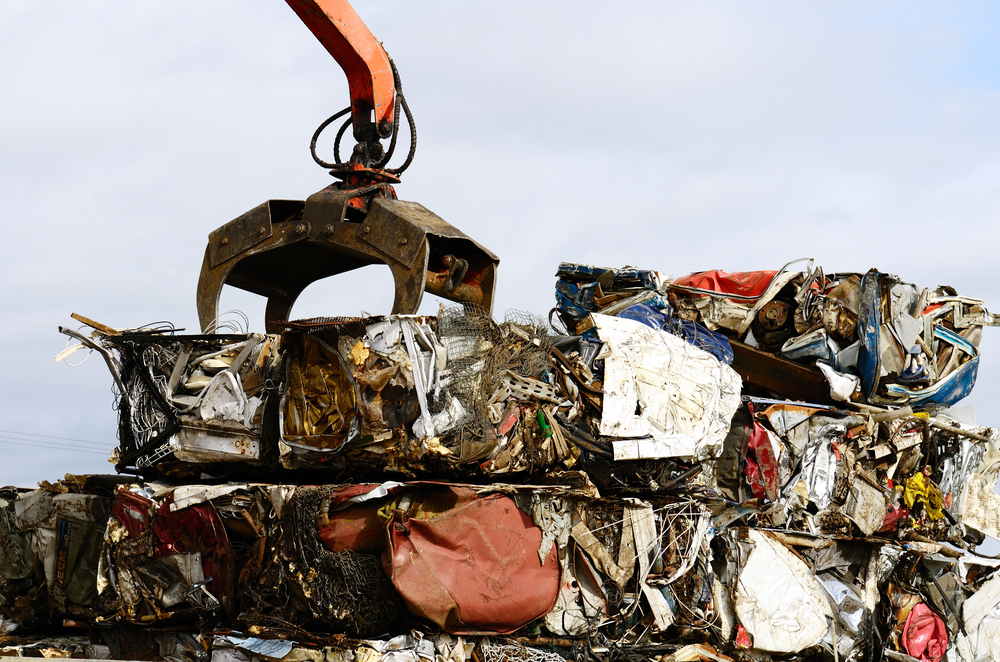
Balers punish “wait and see” strategies. Small defects can escalate quickly, and the cost of downtime in scrap operations is usually higher than the cost of a planned repair window. The key is knowing which findings justify immediate escalation.
Visible rod damage is a strong trigger. If you can feel a scratch with a fingernail, seals will not last. Increasing leakage that returns quickly after cleaning also deserves prompt action, especially when it begins pooling. Drift under load is another indicator, often linked to internal bypass, and it can affect cycle consistency and safety.
Motion irregularities such as stiction or hesitation should be treated seriously. They can signal contamination, misalignment, or air in the circuit. Temperature rise combined with any of the above signs is a strong indicator that continued operation will accelerate damage.
Keep Your Scrap Metal Baler Moving With C&L Cylinder and Machine
When a baler cylinder needs repair, capability and turnaround become the deciding factors. At C&L Cylinder and Machine we offer complete hydraulic cylinder repair and manufacturing. All parts are repaired to O.E.M specifications and new builds are manufactured to your specifications; either from technical drawings or by replicating an existing cylinder.
We repair and rebuild cylinders from 1/2″ bore to 48″ bore, length up to 30ft, and weight up to 30,000 pounds at our 50,000 square foot facility in Lindale, Georgia, handling oversized components with heavy machining, welding, and dedicated disassembly and assembly setups.
If your inspections are showing rising leakage, rod surface damage, drift, or inconsistent movement, it may be time to plan a controlled repair window rather than risk a failure during peak throughput. Connect with us to discuss your cylinder condition and coordinate the next step to support maximum uptime.