
Rebuild vs Replace: A Procurement Manager's Guide to Hydraulic Cylinder Decision-Making
- C&L Cylinder and Machine

- Feb 2
- 4 min read
Procurement teams get pulled into cylinder decisions at the worst possible time: the machine is down, operations wants a fast answer, and maintenance needs a solution that will not boomerang into another outage. In those moments, the simplest choice can feel like “order a new unit.” Yet with large equipment, that answer is not always the quickest, safest, or most economical. A structured approach helps you choose whether to rebuild or replace a hydraulic cylinder with confidence, even under pressure.
This guide is designed for procurement and buying professionals who support heavy industrial operations such as scrap yards, waste handling, aggregate sites, equipment rental fleets, and manufacturing plants. The goal is not to push one option. It is to provide a practical framework you can document, defend, and repeat across locations.
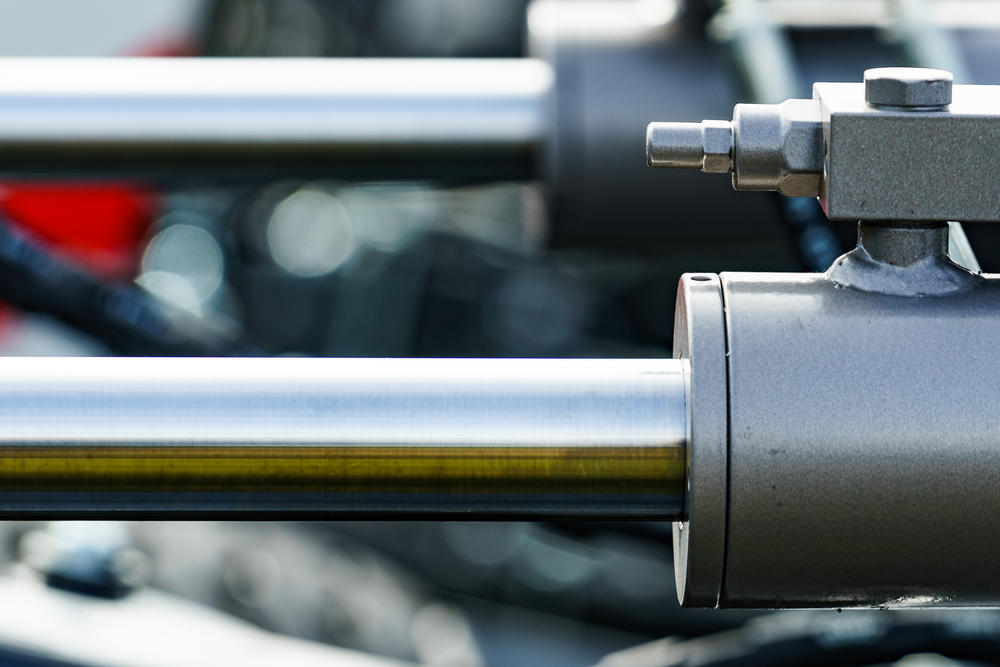
What “Replace” Really Means for Large Cylinders in Heavy Industry
Replacement sounds straightforward until you map the full scope. Large cylinders are often custom or application-specific, with unique stroke lengths, mount styles, porting, cushioning, rod coatings, and tolerances. Even when an OEM part number exists, availability can be uncertain, and substitutes may require engineering review.
A replacement purchase also carries hidden steps that sit outside the purchase order. Transport, rigging, fit-up, and commissioning can add complexity, especially for oversized components. If the new unit arrives with minor dimensional differences, alignment and bracket interfaces may need adjustment. Those delays can turn “new is faster” into an assumption rather than reality.
Risk is another factor. A new cylinder should be reliable, but it is not immune to installation errors, shipping damage, or configuration mismatch. Procurement can reduce that exposure by requiring documentation, verifying specs, and confirming compatibility before release.
Rebuild or Replace a Hydraulic Cylinder? The Decision Framework Procurement Can Defend
A defensible decision balances technical feasibility with commercial realities. Procurement does not need to become a repair expert, but you can ask for the right information and push the process toward clarity.
Start with condition and failure mode. External leakage from seals, worn bushings, or gland issues often lends itself to rebuilding, especially when the barrel and rod are salvageable. Severe rod scoring, bent components, or cracked weldments can shift the recommendation toward replacement. Internal bypass can go either way, depending on root cause and wear severity.
Next, evaluate performance requirements. Press cylinders, high-cycle baler units, and critical mobile equipment actuators may justify tighter tolerances or upgraded surface treatments. A rebuild can often restore like-new function, and in some cases, it can incorporate improvements that address the original cause of premature wear.
Use a repeatable checklist that prompts consistent questions across vendors and sites.
Confirm cylinder size, stroke, mount type, port locations, and operating pressure
Identify failure symptoms and any events such as overload, jam, or impact
Determine whether rod, barrel, and end attachments are reusable
Ask for repair scope options, not a single quote, so tradeoffs are clear
Document lead time assumptions for both rebuild and replacement paths
This approach turns a rushed choice into a documented process, which is valuable for audits, budgeting, and cross-site consistency.
The Commercial Factors That Change the Math: Lead Time, Logistics, and Risk
Procurement is often evaluated on unit price, but total cost is the more relevant metric. For large cylinders, lead time frequently dominates. If a replacement has a long manufacturing queue, expedited freight still may not solve the calendar issue. A rebuild may return faster because it leverages the existing shell and focuses on restoring critical surfaces and seals.
Risk management belongs in the comparison. Replacement risk includes specification mismatch, configuration changes, or limited documentation on tolerances. Rebuild risk includes uncertainty until teardown confirms salvageability and extent of machining. Procurement can manage both risks through clear inspection steps, defined scope, and communication expectations.
To compare options objectively, build a simple total impact model.
Downtime cost per day multiplied by expected turnaround time
Internal labor for removal, staging, and reinstallation
Transport and handling costs for heavy loads
Probability and cost of rework due to fitment or recurring failure
Warranty and support terms, including what is excluded
This structure helps stakeholders see why the cheapest line item is not always the lowest-cost decision.
How to Source Smarter With Maintenance and Operations Aligned
The strongest procurement outcomes come from alignment before a failure. When stakeholders agree on decision rules, a breakdown becomes a process, not a debate.
Start with shared definitions. Clarify what “urgent” means in your organization. Determine which assets are bottlenecks, which have redundancy, and which can tolerate extended downtime. Then, agree on what information is required to trigger a replacement order versus a rebuild authorization.
Consider developing a tiered policy based on criticality and cylinder characteristics. Standard cylinders might default to replacement. Large custom units might default to rebuild unless damage is beyond repair. The objective is to remove emotion from the decision and replace it with a rational pathway.
A Practical Path Forward With C&L Cylinder and Machine
At C&L Cylinder and Machine we offer complete hydraulic cylinder repair service as well as new hydraulic cylinder manufacturing. We have experience with all brands, sizes, and equipment models. All parts are repaired to O.E.M specifications and new builds are manufactured to your specifications; either from technical drawings or by replicating an existing cylinder. We handle material procurement, precision machining, assembly, and testing to ensure the final product meets all your requirements.
We repair and rebuild cylinders from 1/2″ bore to 48″ bore, length up to 30ft, and weight up to 30,000 pounds at our 50,000 square foot facility in Lindale, Georgia, handling oversized components with heavy machining, welding, and dedicated disassembly and assembly setups. Our in-house approach can support procurement teams who need clear scope definition, documented findings, and realistic timelines for large cylinders that are not simple “swap” parts.
If you need help evaluating whether a cylinder is a strong rebuild candidate or if replacement is the safer route, let’s connect to discuss your application, constraints, and timeline.


