
Procurement Guide: Questions to Ask When Selecting a Hydraulic Cylinder Repairs Partner

The decision to outsource hydraulic cylinder repairs is far more than a purchasing transaction. When your operation faces unplanned downtime from a failed hydraulic cylinder, selecting the right repair partner directly impacts your recovery time and operational reliability.
Hydraulic cylinder repairs require specialized knowledge, precision equipment, and rigorous quality controls that vary dramatically between service providers. This guide helps procurement teams make informed decisions about hydraulic cylinder repairs partners by establishing objective evaluation criteria that predict actual service outcomes.
Rather than defaulting to the lowest quote or fastest promised turnaround, you will learn to assess true capability, quality discipline, and the likelihood that your repaired cylinder will deliver sustained performance when reinstalled.
Define Scope, Criticality, and Success Metrics Before You Compare Shops
Before requesting quotes or comparing providers, define what success looks like for your specific repair need. A cylinder supporting your primary production line has different risk implications than one serving a secondary machine. A press ram that affects finished part quality requires a different quality standard than a non-critical actuator. Without clear definitions of criticality, quotes from different shops may be impossible to compare because each provider may interpret your requirements differently.
Start with three essential internal questions before contacting any repair shop:
What is the daily downtime cost for this asset if it fails or remains out of service?
Are there safety implications if this cylinder drifts, leaks, or fails during operation?
What level of repeat removal risk is acceptable to your operation?
These answers should shape how you evaluate each provider's capability and quality control systems.
Next, identify what information you can provide to potential repair partners. The best shops move faster and quote more accurately when they receive cylinder dimensions, operating pressures, duty cycle descriptions, and symptom history. Clear upfront information reduces the risk of scope changes and surprises once the repair begins.
A concise scope definition should include these elements:
Application type and duty cycle, including typical loads and stroke behavior
Known symptoms such as leakage, drift, noise, or unexpected speed changes
Desired outcomes, including load holding capability, motion stability, and expected service interval
Constraints such as reinstallation timing requirements and transport limitations
Once success metrics are clearly defined, your evaluation questions can be targeted and objective.
Hydraulic Cylinder Repairs Partner Questions About Capability and Equipment
Large cylinders demand more than general hydraulic knowledge. They require heavy handling capability and specialized equipment to safely disassemble, machine, and reassemble without damaging critical sealing surfaces. Your capability questions should focus on what the shop can accomplish in-house versus what is subcontracted to outside vendors.
Also, ask about experience with your specific equipment category. A shop experienced with balers and presses is more likely to recognize wear patterns caused by misalignment, contamination, and shock loads. That field experience often translates into repair recommendations that address root causes rather than just replacing soft parts like seals.
Use direct questions to reveal real capacity and experience:
What cylinder lengths and weights do you routinely repair in your facility?
Which machining and welding processes are performed in-house versus subcontracted?
How do you handle teardown and reassembly procedures to prevent surface damage?
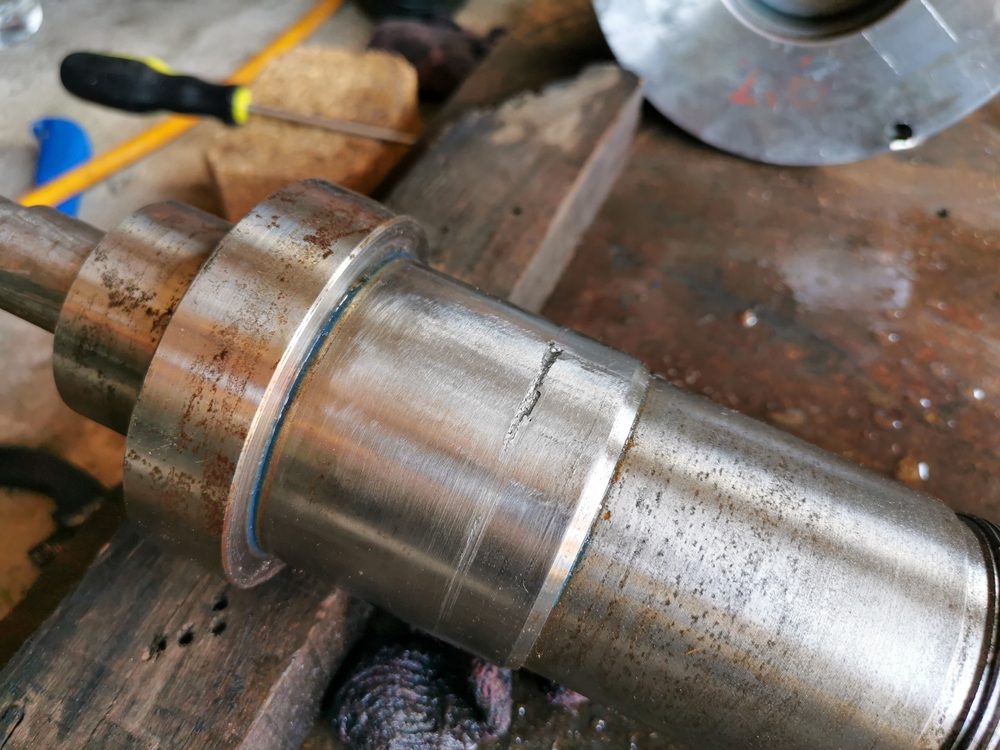
What is your approach when rod or tube surfaces require restoration or special finishing?
What applications do you see most often, such as bailers, presses, or industrial equipment?
The answers should be specific and detailed. Vague or evasive responses often indicate limited experience with large cylinder work.
Quality Controls, Documentation, and Testing Questions That Reduce Risk
Quality controls determine whether your repair will succeed or fail. A cylinder can be rebuilt quickly, but if tolerances are not held, surface finishes are damaged, and seals are installed improperly, repeat leakage and drift become likely outcomes. Procurement should ask specifically how quality is ensured, not simply whether quality is claimed.
A practical quality evaluation set includes these questions:
Do you pressure test every cylinder before release, and what is your test method and duration?
What specific measurements are taken on rods, tubes, and glands during initial inspection?
How do you detect internal bypass leakage and verify load holding performance?
What documentation do you provide with repair findings, test results, and recommendations?
What procedures prevent cross-contamination between different hydraulic systems?
These questions help you compare providers based on risk reduction, not marketing language or low prices.
Lead Time, Logistics, and Commercial Terms That Protect Uptime
Lead time shown on a quote is rarely the full story. True turnaround includes transport time, intake processing, scope approval, parts sourcing, scheduling delays, and final testing.
Ask how lead time is estimated and what happens when scope changes or parts are unavailable. A provider that communicates transparently about turnaround factors can help you plan accurately and avoid surprises.
Choose A Partner That Can Support Your Downtime Targets With C&L Cylinder and Machine
For procurement teams managing large cylinders, selecting a partner with in-house capability and a process-driven approach reduces repeat failures and shortens total downtime. The right hydraulic cylinder repairs partner combines specialized equipment, skilled technicians, documented quality procedures, and transparent communication about timelines and expectations.
C&L Cylinder and Machine repairs large hydraulic cylinders for balers, heavy equipment, and industrial presses in our Lindale, Georgia facility. If you are evaluating repair partners or need support on a large cylinder project, let’s connect to discuss your application, service expectations, and logistics needs.


