
The True Cost of Hydraulic Cylinder Downtime in Scrap Yards: What Georgia Operators Need to Know

Scrap yard machinery failures are abrupt, potentially dangerous, and far from graceful. When a key machine goes idle, inbound material piles up, shipping schedules slip, and overtime starts creeping into the budget. In many yards, one hydraulic cylinder can become the single point that dictates throughput. Understanding the real cost of downtime helps Georgia operators justify preventive work, set realistic spare plans, and choose repair timelines with clear eyes.
Downtime is often discussed as “lost production,” but that framing is incomplete. The biggest financial hits frequently come from ripple effects: labor imbalance, rehandling, safety exposure, customer commitments, and the operational drag of running around a problem instead of solving it. The goal of this guide is to give maintenance and operations leaders a practical way to see the full picture.
Downtime Math in Scrap Yards: Where the Money Actually Goes
Start with a simple baseline: what does one hour of lost machine availability cost? For scrap operations, the answer usually includes several buckets that compound quickly.
Lost processing capacity is the most visible. If a baler, shear, logger, or loader sits down, material does not get densified, sorted, or staged at the intended pace. That backlog can force a yard to slow inbound receiving or rent additional roll-offs to avoid chaos.
Labor is the next layer. Operators still need to be paid, even if they are waiting, reassigning, or doing partial tasks that do not move the primary flow. Supervisors spend time coordinating workarounds, and maintenance teams may shift from planned work to emergency triage. Energy usage can also become inefficient when equipment cycles are interrupted and restarted repeatedly.
The third layer is rehandling. Every extra touch costs money and raises risk. Moving material twice because the normal path is blocked can create bottlenecks in traffic patterns, increase wear on mobile equipment, and raise the probability of an incident.
A practical approach is to build a downtime worksheet that includes more than tonnage.
Direct output loss tied to the stopped asset’s average hourly throughput
Additional labor hours from reassignment, overtime, or extended shifts
Rehandling time and fuel usage for loaders, handlers, or forklifts
Rental and hauling costs for containers, roll-offs, or temporary storage
Customer penalties or pricing impact when shipments miss scheduled windows
This framework helps separate “painful” from “measurable,” which is the difference between frustration and a defensible business case.
Hydraulic Cylinder Downtime and Hidden Costs Beyond Lost Tonnage
Equipment that relies on hydraulics often fails in ways that create secondary damage. A cylinder issue can start as a slow leak or internal bypass, then escalate into overheating, contamination, and accelerated wear elsewhere. Those follow-on effects can turn a repairable cylinder into a broader hydraulic system problem that costs more and takes longer to resolve.
Hidden costs also show up as schedule disruption. Scrap yards operate on tight coordination between inbound deliveries, processing, and outbound transport. When a major asset is down, dispatch may need to reschedule trucks, renegotiate pickup times, or store finished product longer than planned. That can create cash flow friction, especially if material is not moving to buyers at the expected rate.
Another overlooked factor is quality variation. When a baler or press is not operating consistently, bale density and tie performance can change. That impacts transport efficiency and buyer expectations. A yard that ships inconsistent bales may see pricing pressure or added scrutiny at delivery.
What Georgia Operators Should Factor In: Logistics, Compliance, and Labor Realities
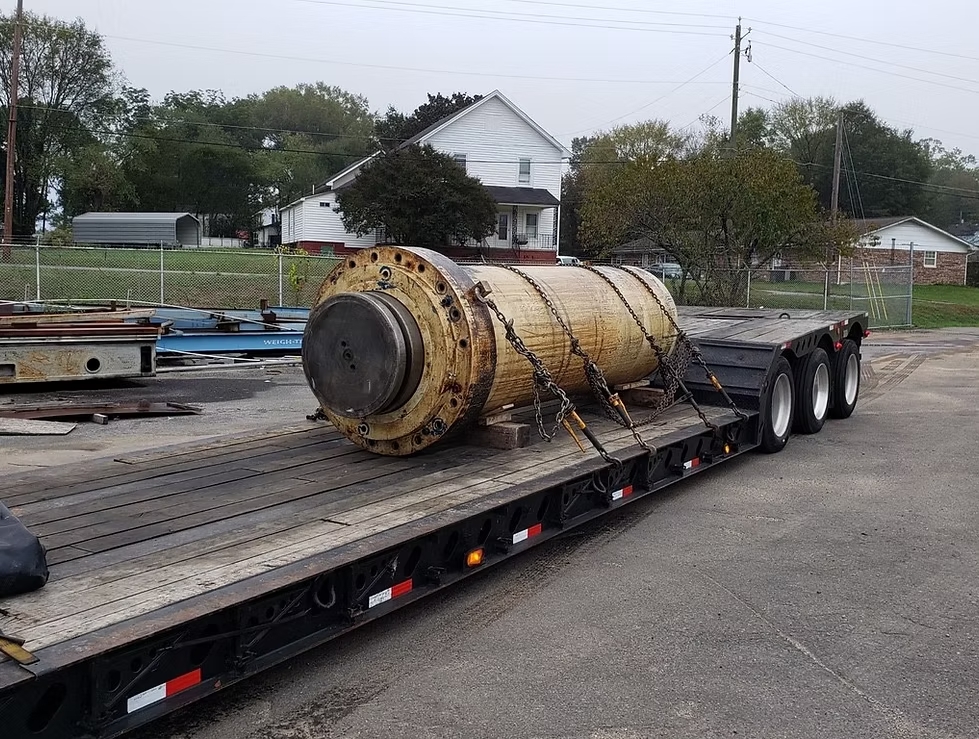
Georgia yards face a mix of highway logistics, weather swings, and labor constraints that influence downtime cost. If a large cylinder fails, the challenge is not only technical. The physical handling and transport of massive components becomes an operational project.
Compliance and housekeeping standards have financial consequences as well. Fluid containment, cleanup, and documentation can consume hours quickly. In a busy yard, the disruption to traffic flow and access routes can reduce productivity across multiple stations, not only the failed machine.
Georgia operators can reduce uncertainty by treating a big cylinder event like a planned outage, even when the failure is unexpected.
Identify lift points, rigging needs, and handling equipment before a crisis
Maintain a contact list for hauling and safe securement support
Standardize spill response supplies near hydraulic assets
Keep baseline measurements and photos for key cylinders to speed diagnosis
Document critical machine priorities so production decisions are quick
This preparation turns downtime into a managed event instead of a scramble.
How to Reduce Exposure With Planning and a Practical Repair Strategy
Reducing downtime cost starts with early warning detection. Small changes often precede failure: slower cycle time, drift under load, new noise, rising temperatures, or increased oil film near the gland. Catching these indicators early lets a yard plan a controlled shutdown rather than absorbing an unplanned stop during a busy week.
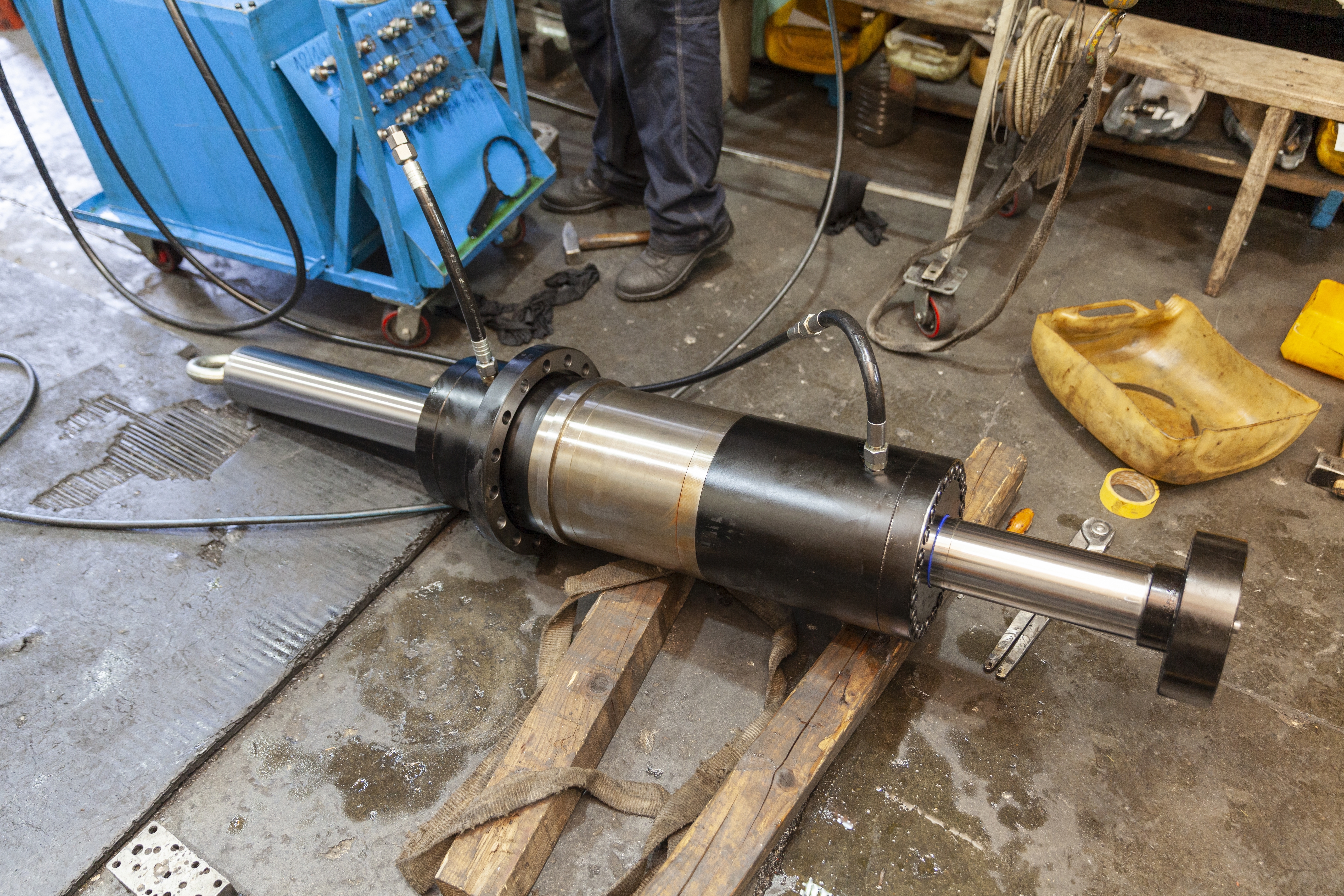
Spare strategy is another lever, but it must be realistic. Stocking full spare cylinders is not always feasible due to cost, storage, and variability. A more practical approach is to stock seal kits for common designs, keep critical hose and fitting inventories, and maintain known-good pins or bushings for mounting points. Good records also matter. Knowing a cylinder’s dimensions, mounting style, and prior work history reduces lead time when a repair decision is made.
Keep Your Scrap Operation Moving With C&L Cylinder and Machine
Hydraulic cylinder downtime in Georgia scrap yards carries costs that extend far beyond the initial failure point. From labor inefficiencies and rehandling expenses to customer commitments and operational disruption, the true financial impact multiplies quickly when critical equipment sits idle.
When hydraulic cylinder issues do occur, don't let downtime compound into larger losses. C&L Cylinder and Machine specializes in comprehensive hydraulic cylinder services for industrial and scrap yard applications, including complete rebuilds, precision machining, rod repair and re-chroming, seal replacement, custom fabrication, and emergency repair support.
With extensive experience in heavy-duty cylinders for balers, shears, loaders, and material handlers, C&L Cylinder and Machine delivers fast turnaround times, quality workmanship, and the technical expertise to minimize your downtime and restore full operational capacity. Connect with us to discuss your repair needs and maintenance solutions that keep your critical equipment running.


