
Hydraulic Cylinder Leaking? Diagnosing Internal vs. External Seal Failures in Baler Equipment
- C&L Cylinder and Machine

- Jun 15
- 4 min read
A leaking hydraulic cylinder in baler equipment can seem like a manageable maintenance issue until it spirals into costly downtime. Oil leaks create housekeeping headaches, expose your facility to environmental liability, and turn warehouse floors into slip hazards. Worse, they often mask serious internal wear that compromises force delivery, causes equipment drift, and produces inconsistent bale density.
Many maintenance teams waste time and money pulling cylinders. They service them. They reinstall them. Then the same problem returns weeks later.
The real solution starts with understanding your leak type. Is the rod seal failing externally? Or is internal bypass across the piston seal robbing your baler equipment of holding force? This guide walks you through the practical differences, the specific symptoms that point to each failure mode, and a proven diagnostic workflow that helps your team pinpoint the root cause before scheduling repair.
Why Leakage in Baler Equipment Hydraulics Gets Expensive Fast
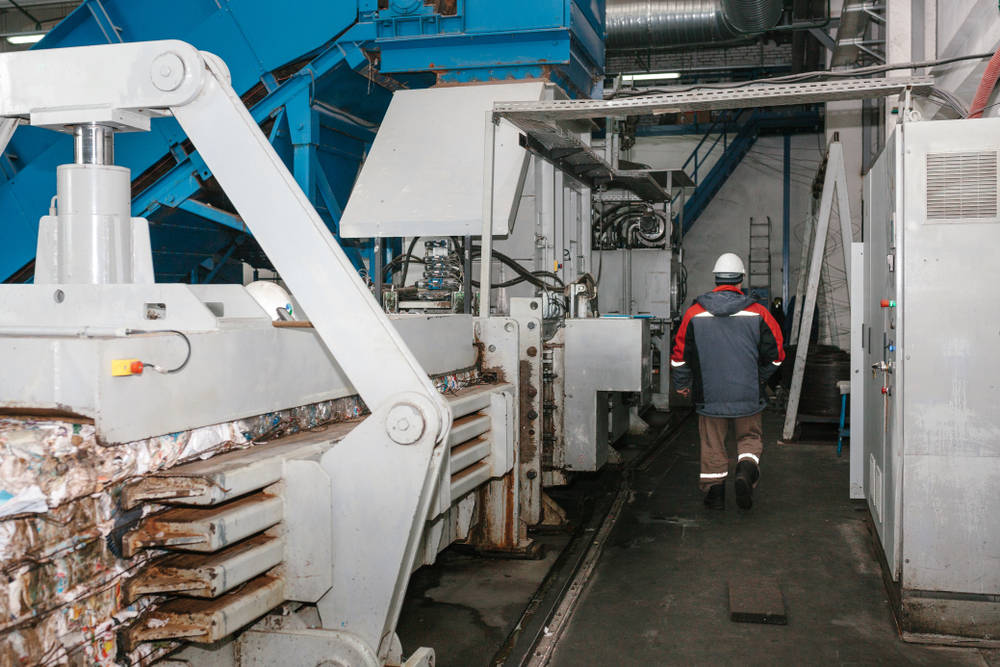
Balers operate in some of the toughest industrial environments. Dust clouds, scrap fragments, cardboard fibers, moisture, and relentless cycling assault every seal and bearing surface.
When oil escapes externally, it attracts debris that accelerates wear at the gland area. When bypass occurs internally, your baler equipment loses holding force or drifts during critical hold phases. This directly impacts bale density and cycle consistency, which ripple through your entire operation.
The financial damage goes beyond the oil itself. Leak cleanup absorbs valuable labor hours. Increased oil consumption strains your supply budget. Contamination infiltration damages valves and pumps downstream. The worst outcome is repeat cylinder removal. If you pull a cylinder, service it, and reinstall it only to see the same symptoms, downtime multiplies fast.
A rapid diagnosis cuts through the guesswork. It lets you decide whether to monitor the situation closely, adjust how operators use the machine, or schedule a controlled repair window that minimizes lost production.
Baler Equipment Symptoms That Point to External Seal Failure
External leakage involves the rod seal, wiper, or gland components. This is the leak you can actually see. Oil appears at the gland area, runs along the rod surface, or collects on nearby structures.
The first warning sign is usually residue that reappears soon after you wipe it clean. Over time, residue becomes visible wetness, then steady dripping. In severe cases, pressurized oil may spray from the gland.
Mount wear compounds the problem. When pins and bushings wear, side-loading increases friction at the gland, which drastically shortens seal life. Pressure washing can also trigger external leakage because water and debris force their way into the sealing interface, damaging the rod surface or wearing the seal prematurely.
These patterns indicate external seal problems in baler equipment:
Oil film or wetness that returns quickly at the gland after cleaning
Oil trail visible on the rod during extension or retraction cycles
Drips that increase noticeably during high-pressure operation
Dirt and debris accumulation around the gland that looks wet or sticky
Visible scratches, dents, or scoring on the rod surface in the travel zone
External leakage offers an early warning. Address it quickly to prevent contamination entry and stop rod damage from spreading.
Baler Equipment Symptoms That Point to Internal Seal Failure
Internal leakage is sneakier because you may not spot oil leaking outside the cylinder. Instead, you see performance problems that frustrate operators and confuse maintenance teams. The most common symptom is drift under load.
If your baler door, ram, or clamp slowly creeps when the valve sits in neutral, fluid is bypassing across the piston seal. This shows up as gradual movement during a hold phase or a loss of position between cycles.
Watch for these internal leakage indicators in your baler equipment:
Drift under load during hold periods with the control lever in neutral
Slower cycle times under comparable load conditions
Reduced compaction force or inconsistent bale density from one cycle to the next
Temperature rise that you did not see before during the same duty cycle
No visible external leak despite clear performance loss
Internal bypass becomes more noticeable as oil warms because viscosity drops and leakage pathways open wider. Cold startups may feel normal, but once production runs for a few hours, you notice creeping or sluggish force development.
A Practical Diagnostic Workflow to Confirm Root Cause
A reliable workflow begins with observation and clear documentation. Record when the symptom first appears, how quickly it develops, and whether temperature influences it. Then conduct safe isolation steps according to your facility's lockout and tagout procedures. Always follow these safety protocols because baler circuits store significant energy, and loads can move unexpectedly if you release pressure incorrectly.
Step one is confirming whether the leakage is external. Clean the gland area and rod thoroughly, run a short cycle sequence, and inspect again. If oil returns visibly at the gland, you have external leakage. Next, inspect the rod surface for defects in the travel zone and examine the wiper condition for wear or damage.
Step two is evaluating drift under load. Choose a safe hold condition within your normal machine cycle and observe whether the position changes. If drift occurs, note the direction and measure the rate of movement. Run the same test when the oil is cold and again when it reaches operating temperature to identify viscosity influences.
This consistent workflow prevents guesswork and builds evidence for your repair decision.
Get Expert Leak Diagnosis and Repair Support From C&L Cylinder and Machine
When baler equipment hydraulic cylinders begin leaking or drifting, you need a controlled repair plan that prevents mid-shift breakdowns and eliminates rework frustration. C&L Cylinder and Machine specializes in diagnosing and repairing large hydraulic cylinders for industrial equipment.
We help you move beyond guesswork. We examine your cylinder, confirm the root cause of your leak, and recommend the right fix for your situation. Whether your baler equipment needs a simple seal replacement or a full cylinder rebuild, we manage the repair with minimal downtime and maximum reliability. Connect with us today for expert diagnosis and dependable repair of your hydraulic cylinders.


