
How Temperature Extremes Affect Hydraulic Cylinder Performance

The unpredictable performance of a hydraulic cylinder during seasonal temperature swings often signals deeper system issues. When cold weather arrives, operators notice sluggish response and pressure spikes. When summer heat intensifies, the same equipment exhibits creep, external leakage, and inconsistent motion. These symptoms point to how temperature extremes fundamentally alter the physical and chemical properties of hydraulic fluid and the components that depend on it.
The hydraulic cylinder is frequently the first component where these problems become visible, even though the root cause may originate elsewhere in the system. Understanding the connection between temperature and hydraulic performance allows maintenance teams to diagnose failures faster, plan repairs with confidence, and implement prevention strategies that protect equipment across all seasons.
Why Temperature Extremes Change Hydraulic Behavior
Hydraulic systems depend critically on oil viscosity. Cold conditions transform oil into a thicker, more resistant fluid. This increased viscosity slows flow rates, delays system response, and can trigger higher pressures during the initial movement phase. Operators who demand full force immediately, place stress on the system before the oil has warmed to its optimal operating temperature.
In hot conditions, the inverse problem develops. Lower viscosity makes oil flow too easily, which increases internal leakage across pumps, valves, and cylinder seals. Higher leakage reduces efficiency and generates excess heat, which further thins the oil and accelerates the feedback loop. A minor issue in summer can escalate into a major reliability problem within days.
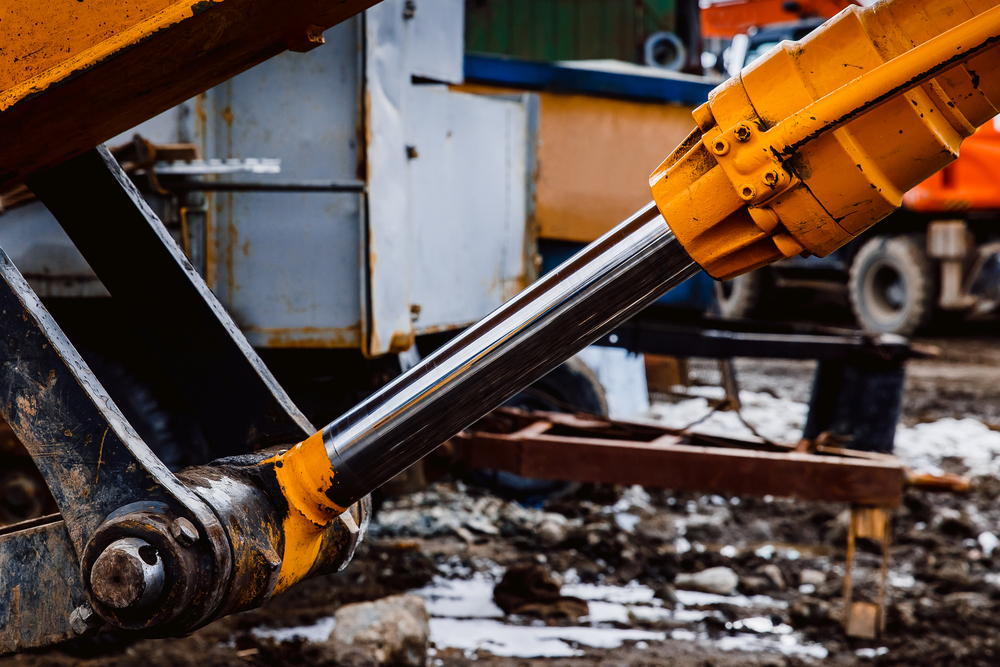
Seals respond visibly to temperature changes. Cold reduces seal elasticity, making them less responsive during initial cycles. Excessive heat accelerates wear, hardens elastomer materials, and increases extrusion risk when pressure spikes occur. Temperature swings also promote condensation, which introduces water into the oil and accelerates corrosion on rod surfaces and inside reservoirs.
A fourth factor is thermal expansion. Metal components expand and contract as temperatures rise and fall. In large cylinders with extended strokes, even small dimensional changes can disrupt clearances and contact patterns, making precise alignment essential when thermal shifts occur.
Temperature-Driven Symptoms in Hydraulic Cylinder Operation
Temperature effects on the hydraulic cylinder appear as changes in speed, holding behavior, and leakage patterns. Cold conditions typically create a delayed response and stiffness at startup. Operators often describe jerky motion or stiction, where the cylinder resists initial movement and then breaks free suddenly. Pressure spikes follow as the system works against thickened oil.
Hot conditions drive increased leakage and position drift under load. A cylinder that held its position reliably during spring may begin to creep continuously in summer because thinner oil passes internal sealing surfaces more readily. External weeping becomes active dripping. Motion may become inconsistent if aeration develops or if internal varnish builds up on valve surfaces.
Temperature swings often expose existing weaknesses that previously went unnoticed. A worn wiper allows contamination to enter faster during dusty summer months. A rod with light corrosion pits cuts seals more aggressively when cold seal materials lose their compliance. A marginal pump runs hotter under peak load, increasing fluid temperature and thinning the oil further.
Watch closely for these common indicators of temperature stress:
Slow response and hesitation during cold start cycles
Jerky motion, stiction, or inconsistent speed at low temperature
Leakage that increases as oil warms and viscosity drops
Drift under load that worsens during hot weather conditions
An unexplained rise in operating temperature during normal duty cycles
Treat these as early warning signs. The sooner you recognize the pattern, the faster you isolate the underlying cause.
Diagnostics That Separate Cylinder Issues From System Issues
The cylinder often receives blame first, but temperature symptoms can originate from multiple sources. The fastest path to diagnosis is gathering clear, repeatable observations and comparing behavior across different conditions and seasons.
Start by documenting whether symptoms appear only during startup or persist after the system reaches normal operating temperature. Problems that disappear once oil warms suggest viscosity effects, suction line restrictions, or cold seal behavior. Problems that worsen with heat point toward internal leakage, valve wear, or oil degradation.
Use a repeatable data approach so different shifts and operators reach the same conclusion. Record these observations systematically:
Oil temperature when the symptom begins and when it worsens
Cycle time at a consistent workload across different seasons
Whether drift occurs with the valve in neutral or only in certain positions
Rod surface condition (corrosion, scoring, or roughness) in the travel zone
Filter indicator status and breather condition during seasonal shifts
These steps help you decide whether to prioritize cylinder repair, valve service, fluid management, or alignment work.
Practical Prevention Strategies for Winter and Summer Operation
Prevention focuses on reducing stress during the highest-risk seasonal conditions. For winter startup, warm-up routines are essential. Establish low-load cycling that brings oil temperature up gradually before demanding full power. Maintain fluid level and confirm suction integrity to prevent aeration. Keep rods clean and avoid leaving cylinders extended during long storage, when corrosion risk increases significantly.
For summer duty cycles, focus on heat management and fluid cleanliness. Track operating temperature and investigate any upward deviations immediately. Maintain coolers and remove debris from airflow paths. Eliminate unnecessary stalling that generates waste heat. Strengthen cleanliness practices around reservoirs and service points to block contamination. Replace breathers when they become restricted and monitor filters using condition indicators rather than calendar-based replacement.
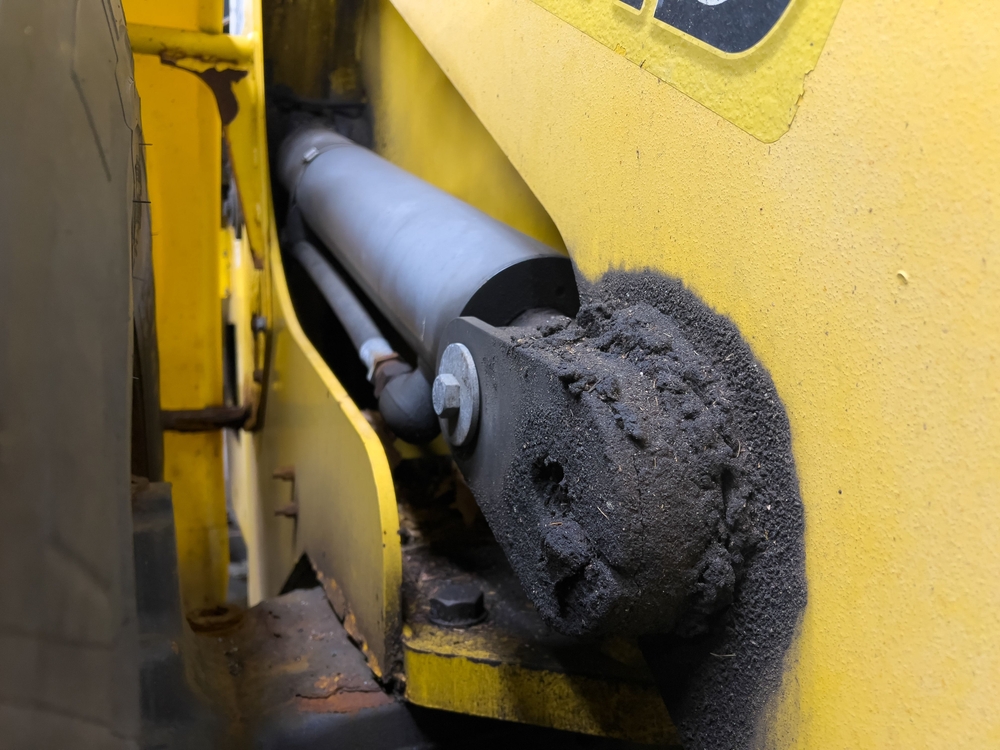
Two practical seasonal routines deliver measurable results without major process changes:
Winter protocol: low-load warm-up cycles, rod cleaning, moisture control, startup observation logs
Summer protocol: temperature trending, cooler inspection, filter indicator monitoring, dust control at cylinder glands
These actions reduce the likelihood that seasonal temperature swings turn routine maintenance into costly emergency repairs.
Plan Temperature-Driven Hydraulic Cylinder Service With C&L Cylinder and Machine
When temperature extremes reveal recurring leakage, drift, rod surface damage, or motion instability, a controlled repair plan is often the fastest path back to reliable performance. C&L Cylinder and Machine repairs large hydraulic cylinders for balers, heavy equipment, and industrial presses in our Lindale, Georgia facility, using in-house machining, welding, and specialized disassembly and reassembly setups designed for oversized components. That in-house capability supports restoration work when seals, surfaces, or alignment-related wear patterns have been amplified by cold starts or hot duty cycles.
If your operation is seeing temperature-related performance issues and you need a clear next step, send us a message to discuss your cylinder condition and application.


